



What's Happening?
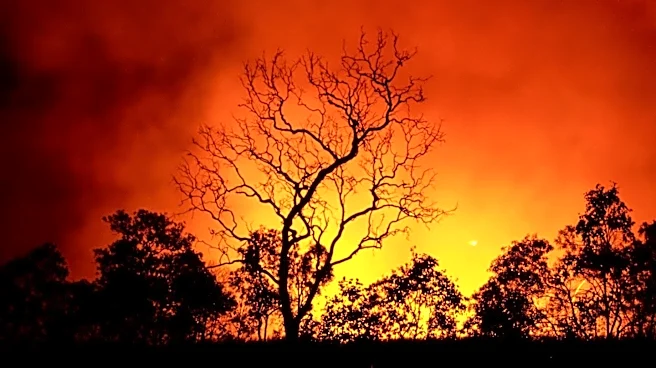
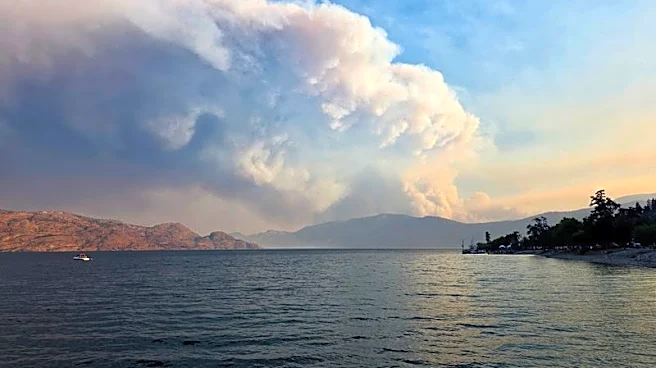
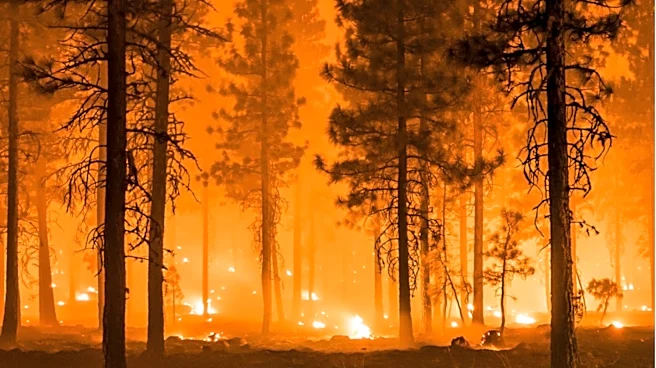
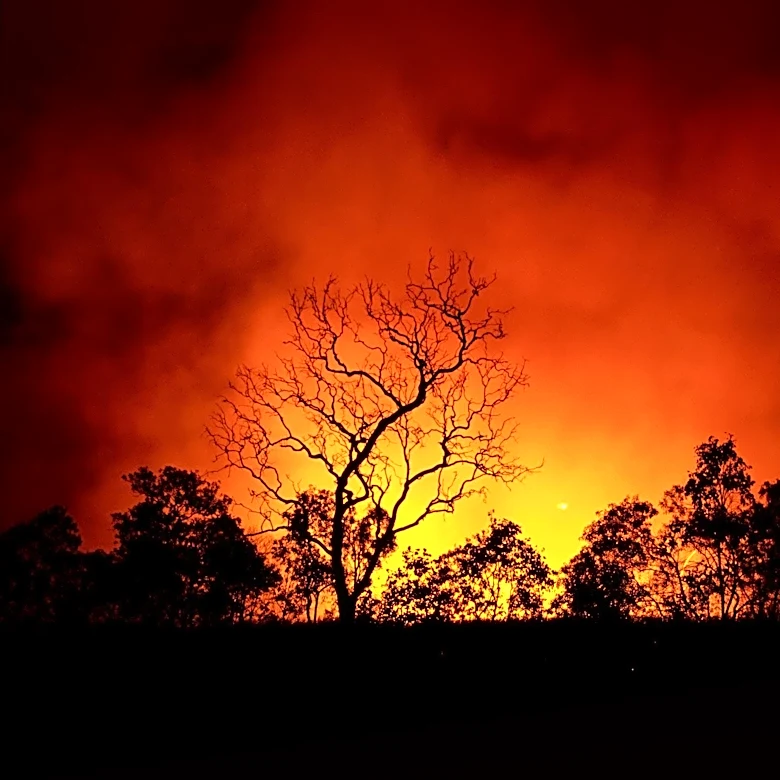
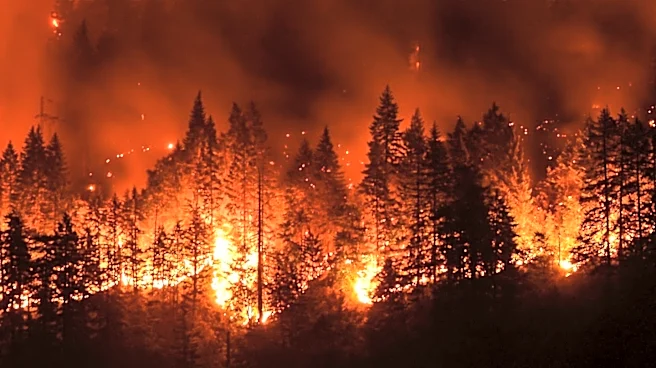
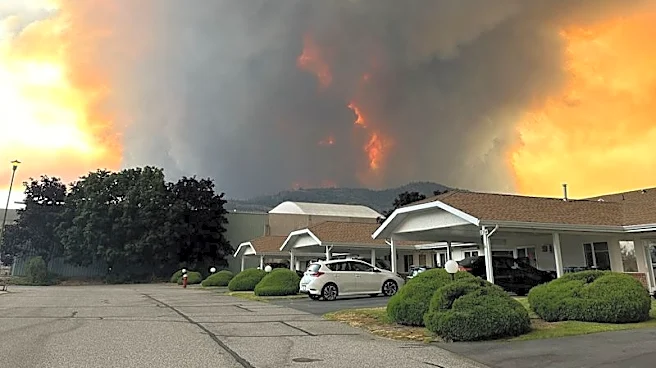
A state of emergency has been declared in British Columbia, Canada, as the Bald Range wildfire rapidly expands, forcing the evacuation of over 20,000 residents. The fire, described as one of the fastest-moving in the region, has led to the evacuation of entire
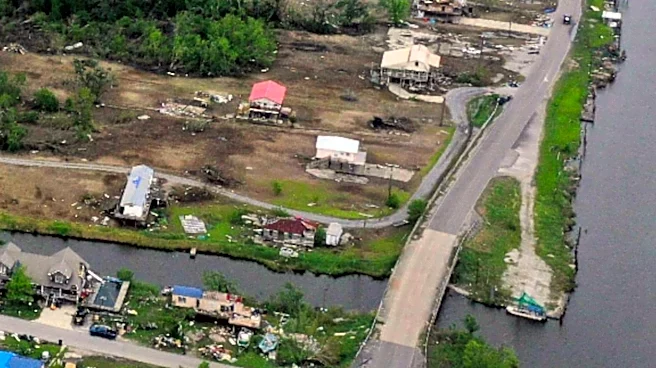
communities, including Summerland and Peachland. Emergency services are actively engaged in rescue operations, with efforts complicated by the challenging conditions. The wildfire has destroyed homes and disrupted power supplies, with local authorities prioritizing the safety of residents and the protection of properties. The situation remains critical, with ongoing firefighting efforts and the potential for further evacuations.
Why It's Important?
The declaration of a state of emergency in British Columbia highlights the severe impact of wildfires on communities and the environment. The rapid spread of the fire poses significant risks to public safety and infrastructure, necessitating large-scale evacuations and emergency response efforts. The situation underscores the increasing frequency and intensity of wildfires, likely linked to climate change, which presents ongoing challenges for disaster management and resource allocation. The economic and environmental consequences of the wildfires are significant, affecting agriculture, tourism, and local economies, while also contributing to air quality issues in the region and beyond.
What's Next?
As the emergency response continues, authorities will focus on managing the immediate crisis and supporting affected communities. The provincial government may implement additional measures to control the situation, including travel restrictions and resource allocation. Long-term recovery efforts will involve rebuilding infrastructure, supporting displaced residents, and addressing environmental damage. The situation remains dynamic, with the potential for further evacuations and disruptions as weather conditions evolve. The broader implications of the wildfires may prompt discussions on climate change adaptation and mitigation strategies at regional and national levels.