








What's Happening?
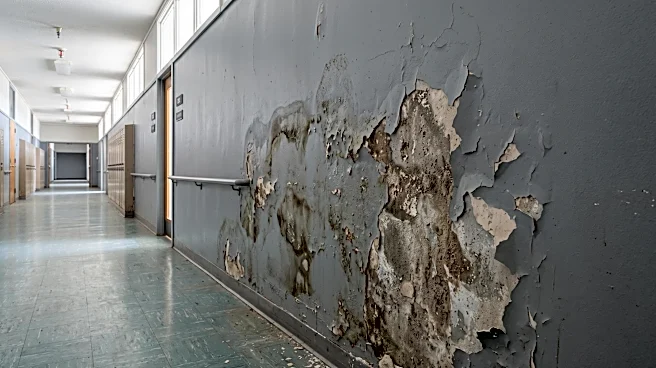
Chicago-area schools are experiencing a growing problem with mold infestations, exacerbated by increasingly humid summers and heavier rainfall attributed to climate change. John H. Kinzie Elementary School students were temporarily relocated due to mold discovery,
with other schools and public buildings in the region, including multiple facilities in a southwest suburbs school district, two schools in Mount Prospect, and a police station in Waukegan, also reporting similar issues. The Chicago Public Schools (CPS) district began monitoring concerns at Kinzie Elementary in early August after reports of musty odors, water damage, and peeling paint. The problem is compounded by the fact that school buildings often operate differently during the summer, with air conditioning, ventilation, and dehumidification systems largely unused, allowing water damage to go unnoticed. This creates ideal conditions for mold growth, posing health risks, particularly for children with developing immune systems.
Why It's Important?
The escalating mold problem in Chicago-area schools has significant implications for public health, education, and infrastructure. Children, with their immature immune systems, are particularly vulnerable to health issues such as allergic reactions, worsened asthma, and respiratory infections from mold exposure. The disruption to schooling, as seen with Kinzie Elementary, can negatively impact students' learning and well-being. This issue also highlights the broader challenge of maintaining aging public infrastructure in the face of climate change. Illinois has seen a 15% increase in rainfall between 1895 and 2019, and the heaviest 1% of rainfall events in the Midwest became 42% wetter from 1958 to 2016. These environmental shifts necessitate substantial investment in school maintenance and climate-resilient building practices to protect students and staff, and ensure uninterrupted education. The Chicago Teachers Union (CTU) has called for increased state funding to address these issues, citing the state's underfunding of CPS by approximately $2 billion.
What's Next?
Chicago Public Schools states that it proactively conducts regular environmental inspections and addresses potential mold instances promptly. However, the Chicago Teachers Union (CTU) is advocating for Governor JB Pritzker to release disaster relief funds to the district for storm-caused issues, a request the governor's office has not formally received. The CTU also emphasizes the need for full state funding to address deferred maintenance in the district's aging school buildings, which average 85 years old. Without additional resources, the CTU warns that more mold incidents are inevitable, potentially leading to further harm to students and disruptions to learning. Experts like Barton Robertson, who runs a Chicago-area mold remediation business, anticipate continued challenges due to prolonged heat, high outdoor humidity, and heavy rainfall. Future actions will likely involve a combination of increased funding, improved building maintenance, and potentially new construction standards designed to withstand the impacts of climate change.
Beyond the Headlines
The mold crisis in Chicago-area schools underscores a critical intersection of climate change, public health, and educational equity. Beyond the immediate health concerns for students and staff, the issue reveals systemic vulnerabilities in urban infrastructure, particularly in older buildings not designed for current climate realities. The debate over funding highlights the ongoing tension between state and local responsibilities for public education and infrastructure maintenance. This situation also brings to light the less obvious impacts of climate change, such as increased indoor air quality problems, which can disproportionately affect vulnerable populations. The long-term implications could include a re-evaluation of building codes, increased demand for climate-resilient construction, and a greater emphasis on environmental health in school planning. The challenge extends beyond Chicago, serving as a stark reminder for other regions facing similar climate-related threats to their public facilities.