






What's Happening?
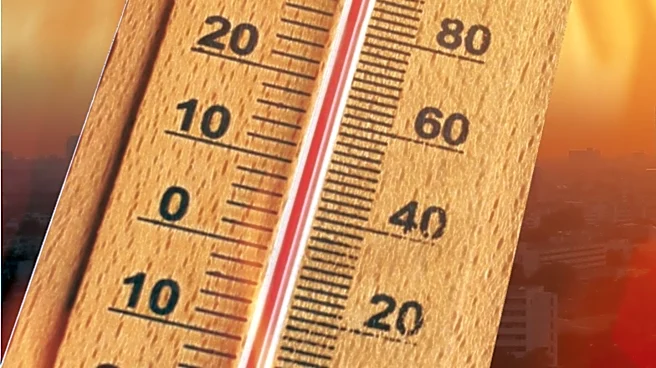
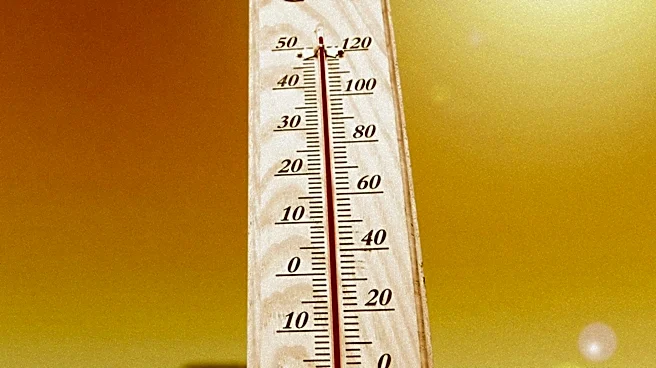
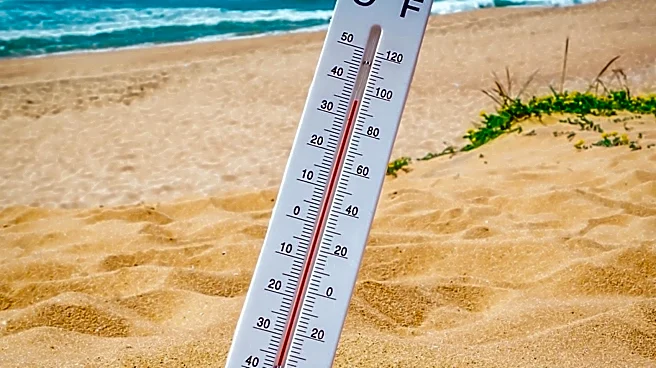
A high-pressure system, known as a 'heat dome,' is forecasted to intensify the already hot summer across the Rocky Mountains, potentially breaking temperature records. This phenomenon traps hot air over the region, leading to temperatures 10 to 15 degrees
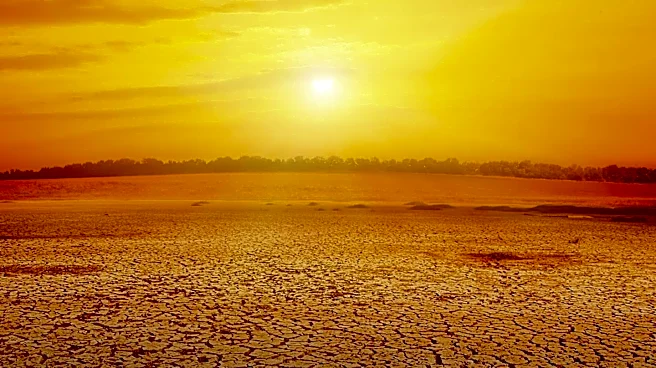
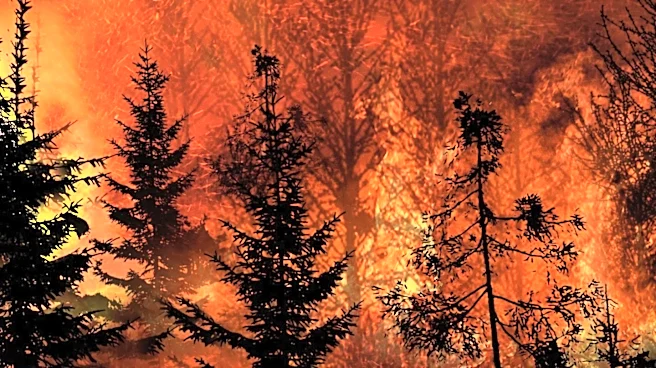
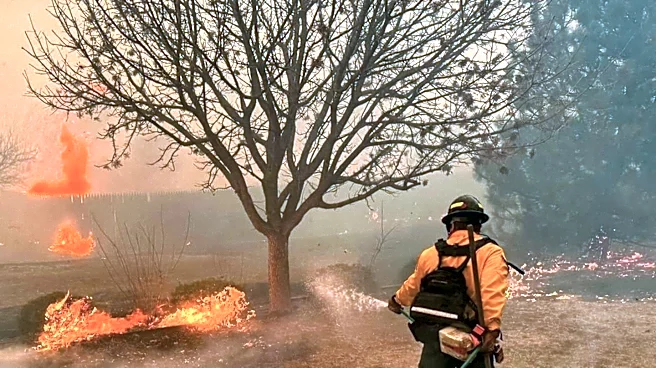
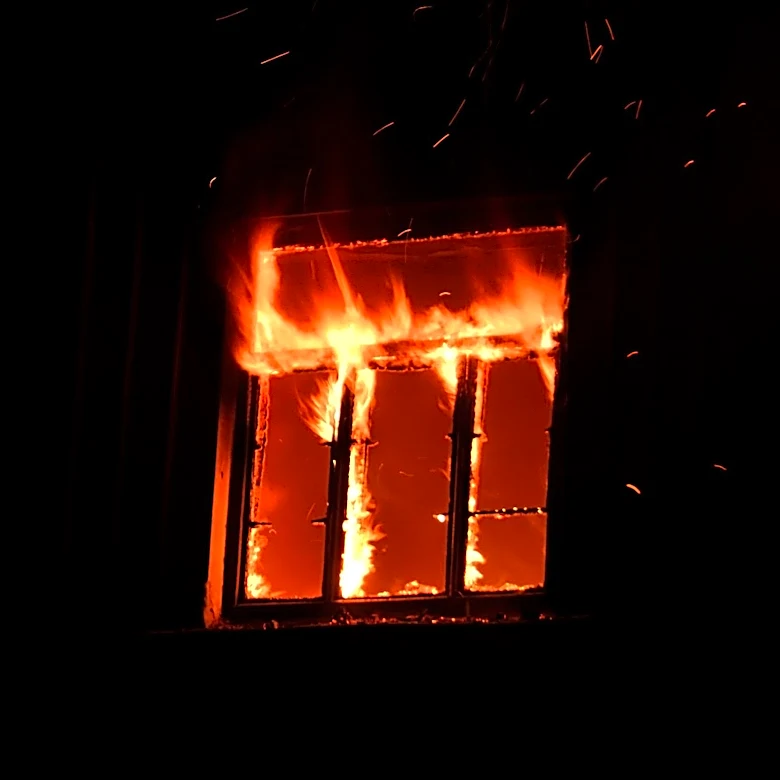
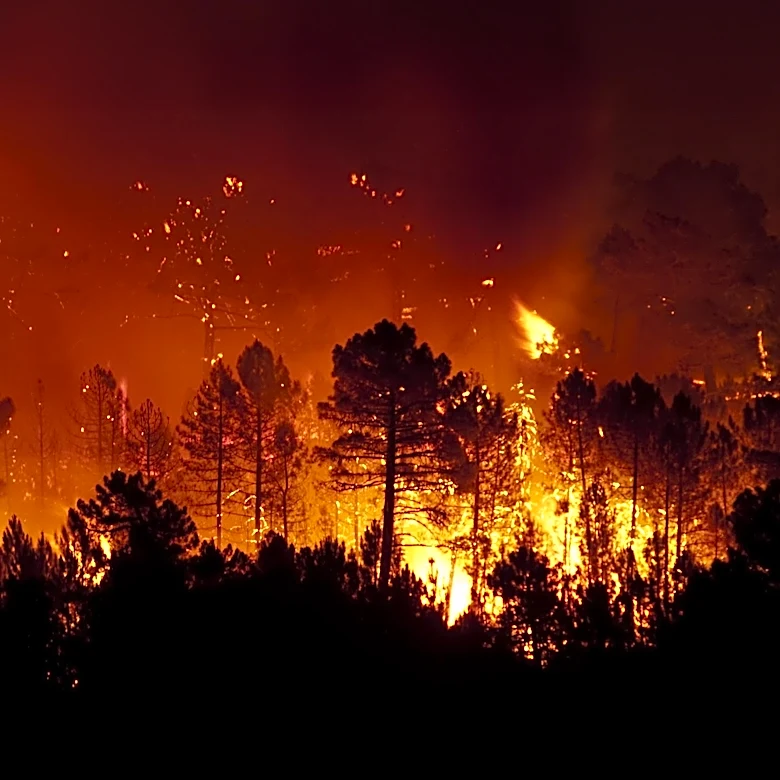
above normal. The heat dome is expected to persist for seven to ten days, exacerbating fire conditions due to increased dryness and flammability. Daniel Swain, a climate scientist, notes the dual impact of heightened fire risks and reduced wind, which could mitigate fire spread. The heat dome's broad reach and intensity are notable, with climate change contributing to the frequency and severity of such events.
Why It's Important?
The intensifying heat dome poses significant risks to vulnerable populations, particularly those susceptible to heat-related illnesses and lacking reliable water access. It also threatens to worsen wildfire conditions, impacting air quality and safety. The event highlights the broader trend of increasing extreme weather patterns linked to climate change, necessitating adaptive measures in affected regions. Rural communities, often less equipped to handle such extremes, face unique challenges in ensuring public health and economic resilience, prompting policy recommendations for better preparedness.