






What's Happening?
Two men, aged 28 and 26, from Danbury and Waterbury respectively, have been charged with sixth-degree larceny in Monroe, Connecticut. They were caught stealing used cooking oil from the Monroe Diner on Main Street on October 3. Police responded to a complaint
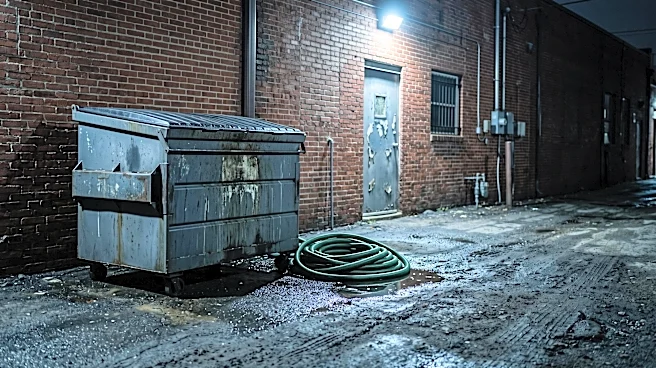
around 3:58 a.m. and found a U-Haul truck backed up to the diner's grease trap with a pump actively transferring oil into the truck via a large green hose. The individuals informed officers they were collecting the grease to sell, claiming they were unaware that this activity was unauthorized. Both men were subsequently released on written promises to appear in court on October 19. This incident highlights a specific type of theft targeting commercial establishments for valuable byproducts.
Why It's Important?
The theft of used cooking oil, often referred to as 'yellow grease,' has become an increasingly significant issue for businesses, particularly restaurants, across the U.S. This seemingly minor crime has broader economic implications due to the rising value of used cooking oil as a feedstock for biodiesel production. Restaurants typically sell their used oil to rendering companies, providing a small but consistent revenue stream and ensuring proper disposal. When thieves steal this oil, businesses lose potential income and may incur costs for cleaning up spills or repairing damaged grease traps. Furthermore, the illicit trade in used cooking oil can disrupt legitimate supply chains for renewable fuels, impacting the sustainability efforts of the energy sector. The incident in Monroe, Connecticut, underscores a growing trend where valuable commodities, even those considered waste, become targets for organized theft rings, affecting local businesses and potentially the wider market for biofuels.
What's Next?
The two individuals charged are scheduled to appear in court on October 19 to address the sixth-degree larceny charges. The outcome of their court proceedings will determine the legal consequences they face, which could include fines, probation, or other penalties associated with petty theft. For the Monroe Diner and other businesses, this incident may prompt a review of their security measures for grease traps, such as installing locks, surveillance cameras, or implementing more secure collection schedules. Law enforcement agencies in Connecticut and other states may also increase their vigilance regarding such thefts, potentially leading to more arrests and a greater focus on disrupting the illicit market for used cooking oil. The broader industry may see increased efforts to educate businesses on prevention strategies and to track the movement of used cooking oil to curb illegal activities.
Beyond the Headlines
The theft of used cooking oil, as seen in Monroe, Connecticut, points to a fascinating intersection of waste management, renewable energy, and petty crime. What was once a low-value waste product is now a commodity with significant market value, driven by the demand for sustainable energy sources like biodiesel. This shift in value has inadvertently created a new avenue for criminal activity, transforming grease traps into targets. The ethical dimension arises from the fact that these thefts not only deprive businesses of revenue but also undermine the environmental benefits associated with proper recycling and conversion of used oil into biofuel. The legal framework is still adapting to this relatively new form of theft, and the penalties for such crimes may not always reflect the true economic impact or the broader societal implications of disrupting green energy supply chains. This situation highlights how market forces, even in niche sectors, can create unforeseen challenges and necessitate evolving responses from both businesses and law enforcement.