







What's Happening?
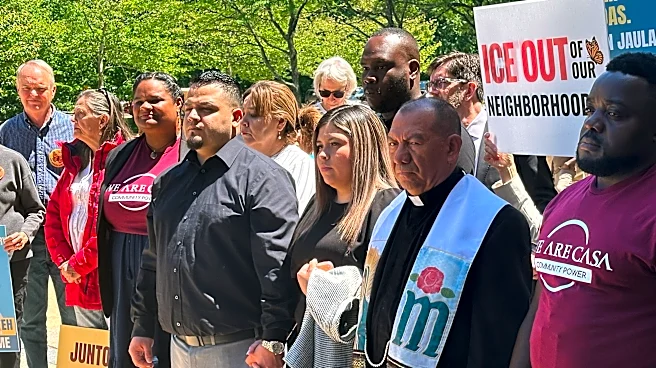
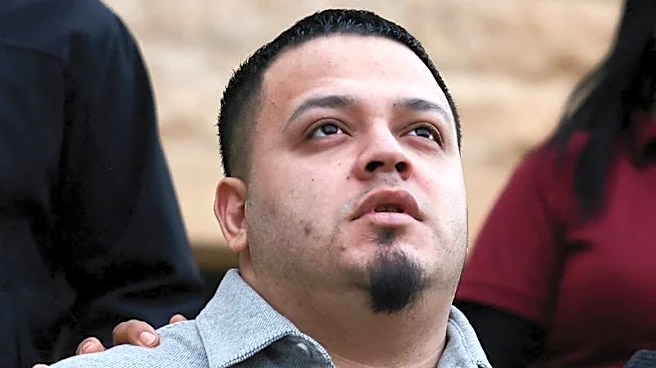
A federal judge has dismissed the Trump administration's criminal case against Kilmar Abrego Garcia, a Salvadoran immigrant, ruling that the charges were pursued in retaliation for his successful legal fight against deportation. U.S. District Judge Waverly
Crenshaw found that the government failed to overcome a 'presumption of vindictiveness' in bringing the case. Abrego Garcia was charged with human smuggling following a 2022 traffic stop in Tennessee, where authorities alleged he was paid to transport individuals without legal immigration status. The case gained national attention after Abrego Garcia was deported to El Salvador in March 2025, despite a prior ruling that he could not be safely returned due to threats against his family. After his deportation, he was detained in a high-security prison in El Salvador until courts ordered his return to the U.S. in June 2025. The judge's ruling highlighted concerns about the timing of the prosecution, which was reopened after Abrego Garcia's successful court challenge.
Why It's Important?
The dismissal of the case against Abrego Garcia underscores ongoing tensions and legal challenges surrounding immigration enforcement under President Trump's administration. The ruling highlights issues of potential prosecutorial overreach and the use of legal actions as retaliatory measures against individuals challenging deportation. This case could have broader implications for how immigration cases are handled, particularly those involving allegations of vindictive prosecution. The Department of Justice's decision to appeal the ruling indicates that the case may continue to influence discussions on immigration policy and the balance of power between the executive branch and the judiciary. The outcome of this case could impact future legal strategies for immigrants facing similar charges and shape public perception of the administration's immigration policies.
What's Next?
The Department of Justice has announced plans to appeal the ruling, which could lead to further legal proceedings. If the appeal is successful, the case may be reinstated, potentially prolonging the legal battle for Abrego Garcia. Meanwhile, he still faces deportation proceedings, and his future in the U.S. remains uncertain. The case may also prompt legislative or policy responses aimed at addressing concerns about prosecutorial conduct in immigration cases. Advocacy groups and legal experts may use this case to push for reforms that ensure fair treatment of immigrants and prevent the misuse of prosecutorial power.