





What's Happening?
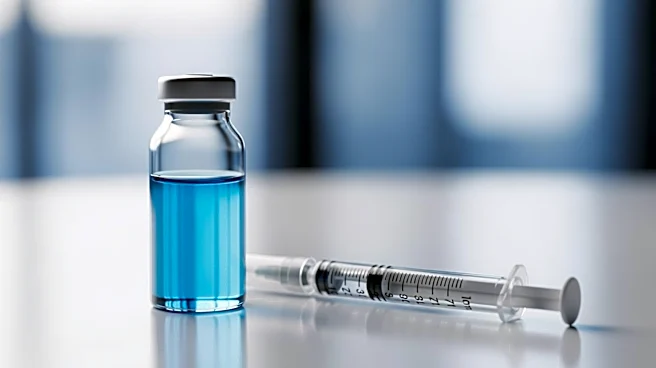
A new experimental drug has demonstrated the potential to reverse osteoarthritis in animal models, according to recent research. The drug, administered as a slow-release injection into joints, has shown the ability to repair damaged cartilage within weeks.
Chemical and biological engineer Stephanie Bryant, involved in the study, highlighted the rapid progress from concept to effective treatment in animals over two years. The goal of the research is not only to alleviate pain and halt the progression of osteoarthritis but to ultimately eradicate the disease. This development is part of a broader set of scientific advancements reported this week, including findings on whale communication patterns and the discovery of a pristine ancient star.
Why It's Important?
The potential breakthrough in osteoarthritis treatment could have significant implications for millions of individuals suffering from the condition, which is a leading cause of disability. Current treatments primarily focus on pain management and slowing disease progression, but a drug capable of reversing cartilage damage could transform patient outcomes. This advancement may reduce the need for joint replacement surgeries, thereby decreasing healthcare costs and improving quality of life for patients. Additionally, the success of this drug in animal models paves the way for human clinical trials, which could lead to a new standard of care in osteoarthritis treatment.