








What's Happening?
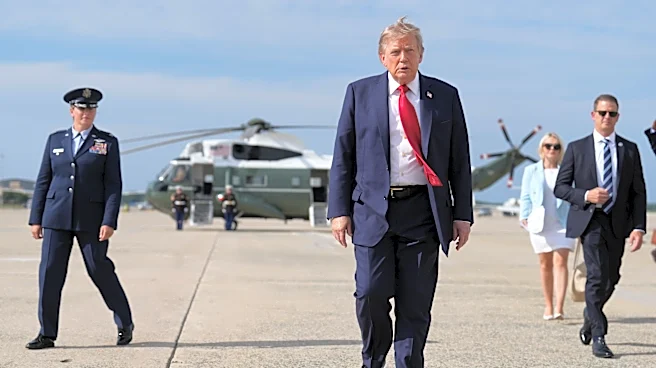
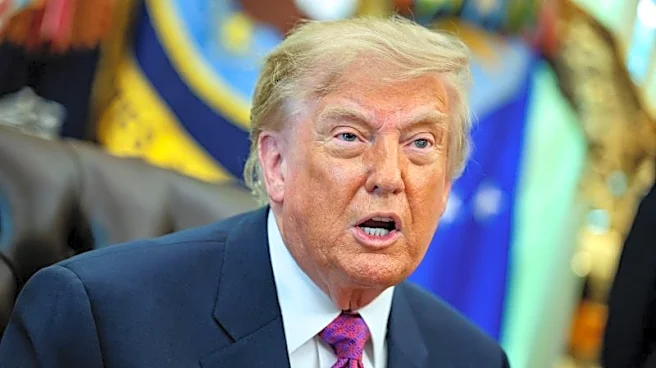
On August 26, President Trump signed an executive order declaring a national emergency to protect the U.S. bulk-power system from foreign-produced electrical equipment. This order specifically targets components such as transformers, generators, inverters,
and associated software that could potentially contain hidden communication devices or unauthorized remote access pathways. The executive order is a response to national security concerns, including reports of rogue communication devices found in solar inverters and cyberattacks on U.S. water facilities. The order invokes emergency powers, using the legal language of an "unusual and extraordinary" foreign threat, which grants the executive branch broader authority to act without new legislation from Congress. The Department of Energy has been given 120 days to issue implementing regulations, and the Secretary of Energy will have the authority to evaluate existing at-risk equipment and mandate mitigation measures, ranging from software patches to physical replacement of compromised hardware.
Why It's Important?
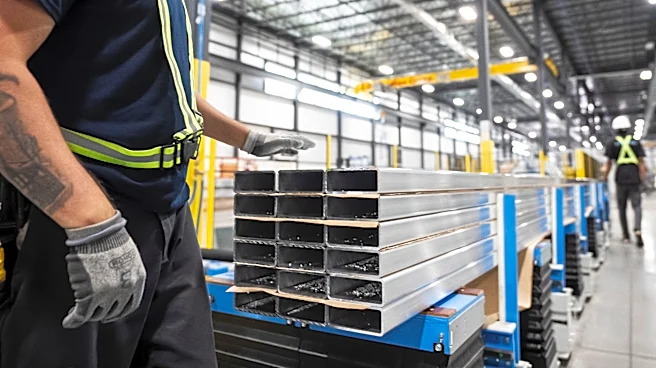
This executive order is critical for national security and the resilience of the U.S. energy infrastructure. The reliance on foreign-made components, particularly from countries like China which accounts for approximately 80% of global solar and battery inverter manufacturing, poses a significant vulnerability to cyberattacks and espionage. Securing the bulk-power system, which includes large-scale generation and transmission infrastructure, is essential to prevent widespread disruptions that could have severe economic and societal consequences. While the order does not ban all foreign components, its focus on risk-based assessments aims to mitigate specific threats. For utilities, compliance will be costly and time-consuming, especially given the long lead times for domestically sourced transformers. However, the order could provide a substantial boost to U.S. manufacturers of grid components, potentially accelerating investment in domestic manufacturing capacity and reducing reliance on foreign supply chains, aligning with existing industrial policy measures like the Inflation Reduction Act.
What's Next?
The Department of Energy's upcoming regulations, due within 120 days, will be crucial in determining the scope and aggressiveness of the order's implementation. These regulations will clarify whether the directive will mandate broad replacements of foreign equipment or focus on targeted risk assessments and remediation. The renewable energy sector, heavily reliant on Chinese supply chains for solar and battery storage components, faces a complex adjustment period. Grid operators and regional transmission organizations will closely monitor compliance timelines, as tight deadlines could force difficult decisions between maintaining reliability standards and meeting replacement requirements. Regulators will need to carefully manage these tensions to avoid inadvertently creating new vulnerabilities. The long-term impact will depend on the balance between security imperatives, economic costs, and the practical challenges of transitioning to more secure, potentially domestic, supply chains.
Beyond the Headlines
Beyond immediate security concerns, this executive order highlights a broader geopolitical shift towards supply chain de-risking and national self-reliance in critical infrastructure. The move reflects a growing recognition that economic interdependence can also create strategic vulnerabilities, particularly in sectors vital for national security. The order could catalyze a significant restructuring of global supply chains for energy components, encouraging other nations to re-evaluate their dependencies. Ethically, it raises questions about the balance between free trade and national security, and the potential for such measures to be perceived as protectionist. Culturally, it reinforces a narrative of vigilance against external threats, potentially influencing public perception of foreign-made goods and international trade relations. The long-term implications could include a more fragmented global manufacturing landscape for critical technologies, driven by national security considerations rather than purely economic efficiency.