


What's Happening?
More than 20 prominent actors from Marvel's cinematic productions have signed a petition urging the United Nations and world governments to secure the release of Marwan Barghouti, a 67-year-old Palestinian who is currently imprisoned in Israel. Barghouti was
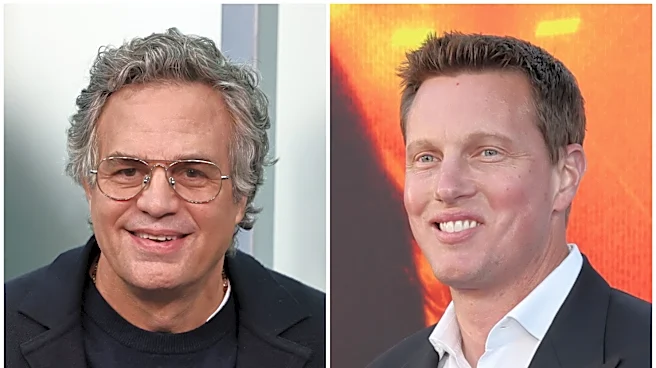
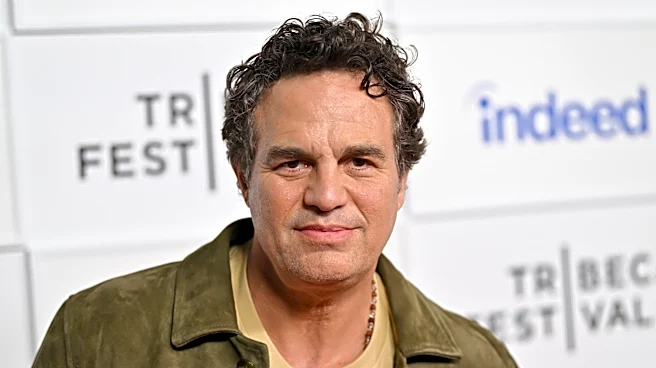
convicted in 2004 of terrorist organization membership and multiple counts of murder, receiving five life sentences plus 40 years for his involvement in the Fatah terrorist organization. The petition, supported by approximately 200 artists, claims Barghouti is subjected to 'violent mistreatment and denial of legal rights while imprisoned.' Among the signatories are Cate Blanchett, Benedict Cumberbatch, Don Cheadle, and Mark Ruffalo. This initiative follows previous controversial statements by Mark Ruffalo, who criticized Paramount's acquisition bid for Warner Bros. Discovery, linking it to Oracle's military technology contracts with Israel and using terms like 'genocide' and 'apartheid' to describe the situation, which Paramount strongly refuted as antisemitic.
Why It's Important?
This petition by Marvel stars carries significant weight due to the cultural influence of Hollywood figures, potentially drawing international attention to the case of Marwan Barghouti and the broader Israeli-Palestinian conflict. The involvement of high-profile actors can amplify the call for Barghouti's release, potentially influencing public opinion and diplomatic efforts. However, it also risks alienating segments of the audience and sparking controversy, particularly given Barghouti's conviction for terrorism. The use of terms like 'genocide' and 'apartheid' by some actors, as seen with Mark Ruffalo's comments, has already led to accusations of antisemitism, highlighting the sensitive nature of celebrity activism on complex geopolitical issues. This situation underscores the challenges faced by entertainment companies when their talent engages in political advocacy, potentially impacting brand image and public relations.
What's Next?
The petition is likely to continue generating debate and discussion, both within the entertainment industry and among international political bodies. It could prompt further responses from the United Nations, various governments, and human rights organizations. The Israeli government is unlikely to alter Barghouti's sentence given his convictions, but the sustained pressure from public figures could keep his case in the spotlight. For the involved actors and Marvel Studios, there may be ongoing scrutiny and potential backlash from different groups, depending on their stance on the Israeli-Palestinian conflict. This event could also lead to more cautious approaches by studios regarding their talent's political endorsements, or conversely, embolden other celebrities to take similar stances on global issues.
Beyond the Headlines
This incident highlights the complex intersection of celebrity influence, human rights advocacy, and international politics. The perception of Barghouti as a 'Palestinian Mandela' by some, contrasted with his conviction as a terrorist by Israeli courts, illustrates the deep divisions and differing narratives surrounding the conflict. The controversy also brings to light the ethical considerations for public figures using their platforms to advocate for individuals convicted of serious crimes. Furthermore, the strong reaction from Paramount to Mark Ruffalo's comments about 'genocide' and 'apartheid' in a corporate context underscores the increasing sensitivity around language used in political discourse and the potential for such terms to be perceived as antisemitic, even when not intended as such. This event reflects a broader trend of celebrities engaging in political activism, often leading to both increased awareness and significant controversy.