





What's Happening?
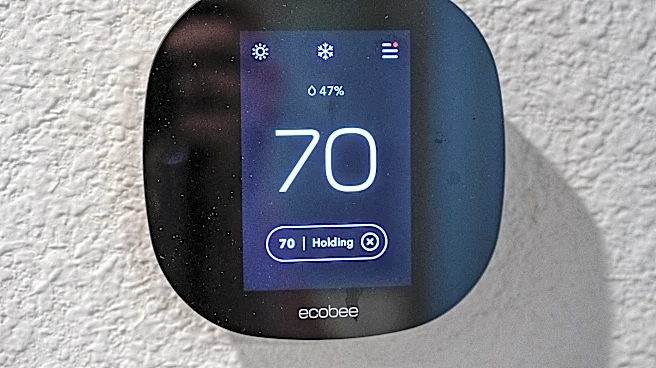
A recent report indicates that U.S. homeowners are increasingly adopting smart home technology, with security and energy management being primary drivers. Approximately 37% of homeowners utilize smart devices like thermostats and home energy monitors
to manage and reduce energy consumption, with 31% citing this as a top reason for purchase. Security remains a paramount concern, as evidenced by the popularity of smart doorbells, security cameras, smart lighting, and smart locks. Homeowners express heightened concerns about crime, economic conditions, and severe weather, leading to a greater emphasis on home protection. Nearly half (46%) are more worried about theft than five years ago, and a significant portion has experienced or knows someone who has experienced a break-in. Despite privacy debates, 72% of homeowners trust smart devices with their personal privacy. The report also highlights a growing demand for professional installation, with one-third of homeowners preferring it to ensure correct setup and integration of complex smart home systems.
Why It's Important?
The shift in smart home technology adoption reflects evolving consumer priorities in the U.S., driven by economic pressures and safety concerns. The focus on energy management directly impacts household budgets, as nearly 60% of homeowners report increased energy bills, and a significant portion spends over $300 monthly on utilities. This trend could accelerate the development and market penetration of energy-efficient smart home solutions, influencing utility companies and energy policy. The emphasis on security underscores a broader societal concern about crime and personal safety, potentially boosting the home security industry and prompting innovations in surveillance and access control. The demand for professional installation suggests a maturing market where ease of use and system integration are becoming as crucial as individual device features, creating opportunities for service providers and integrated platform developers. This also indicates a potential shift away from DIY installations for more complex smart home ecosystems.
What's Next?
The increasing demand for integrated smart home systems and professional installation suggests that manufacturers and service providers will likely focus on developing more cohesive platforms and robust support services. This could lead to greater consolidation in the smart home market as companies aim to offer comprehensive, user-friendly solutions. We may see an increase in partnerships between device manufacturers and professional installation services to meet consumer expectations for seamless integration and reliable operation. Furthermore, as energy costs continue to be a concern, innovation in smart energy management tools, such as AI-powered thermostats and real-time energy monitoring systems, is expected to accelerate. The continued emphasis on security will likely drive advancements in smart surveillance, access control, and proactive threat detection technologies, potentially integrating with local law enforcement or neighborhood watch programs.
Beyond the Headlines
The evolving smart home landscape points to deeper societal shifts beyond mere technological adoption. The reliance on smart devices for security and energy management highlights a growing desire for control and peace of mind in an increasingly uncertain world, driven by economic anxieties and safety concerns. The trust homeowners place in smart devices for privacy, despite ongoing public debates, suggests a pragmatic acceptance of technology's benefits outweighing perceived risks for many. This could influence future data privacy regulations and industry standards as companies strive to maintain consumer trust. Moreover, the integration of smart home technology for family and elder care indicates a broader trend towards using technology to support aging populations and busy households, transforming how care is delivered and managed within the home. This could lead to ethical discussions around remote monitoring, autonomy, and the role of technology in personal relationships.