


What's Happening?
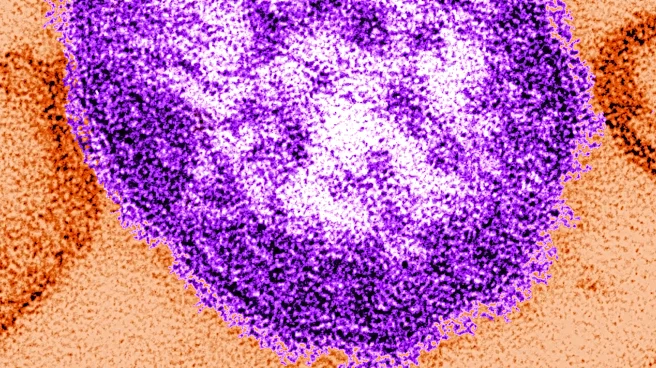
An infant in Wisconsin has died from measles, marking the state's first measles-related death in over 35 years and the third reported in the U.S. this week. This tragic event occurs amidst Wisconsin's largest measles outbreak in more than three decades,
with 431 cases recorded across 13 counties this year. The state's health department emphasizes that the true number of cases is likely higher due to underreporting. Nine individuals in Wisconsin have been hospitalized. Children under five, individuals with compromised immune systems, and pregnant people face a higher risk of severe complications from measles. The state is urging unvaccinated residents to get vaccinated, noting that the measles, mumps, and rubella (MMR) vaccine is 97% effective with two doses. The infant's death follows two other measles-related deaths reported this week in Pennsylvania and New York.
Why It's Important?
This death underscores the severe public health threat posed by declining vaccination rates and the resurgence of preventable diseases. Wisconsin's kindergarten MMR vaccination rate is approximately 85%, significantly below the 95% coverage needed to achieve herd immunity and prevent measles spread. The current outbreak, with cases spreading through domestic travel and community exposure, highlights the vulnerability of populations with insufficient vaccination coverage. The Centers for Disease Control and Prevention (CDC) reports over 4,800 measles cases in the U.S. this year, the highest number since 1991. The re-emergence of measles-related deaths, after years without any, signals a critical public health challenge that could strain healthcare systems and endanger vulnerable populations, particularly infants who are too young to be fully vaccinated.
What's Next?
Wisconsin's health department has updated its guidance to recommend an early dose of the MMR vaccine for infants aged 6 to 11 months who are at increased risk of exposure during the outbreak, a departure from the typical vaccination schedule that begins at one year. This proactive measure aims to protect the most vulnerable. Nationally, an international meeting is scheduled to assess the status of measles elimination in the United States, indicating the seriousness with which health authorities are addressing the resurgence. Public health campaigns will likely intensify to encourage vaccination and educate communities on the risks of measles. The focus will be on increasing vaccination rates to re-establish herd immunity and prevent further spread and fatalities.
Beyond the Headlines
The infant's death from a vaccine-preventable disease highlights a broader societal issue: the impact of vaccine hesitancy and misinformation on public health. The decline in vaccination rates is not merely a medical concern but a complex socio-political challenge involving trust in institutions, individual liberties, and collective responsibility. This event could intensify debates around mandatory vaccination policies and public health interventions. It also brings to light the concept of 'herd immunity' and how its erosion directly impacts the most vulnerable members of society, such as infants who cannot yet receive full protection. The long-term implications could include a re-evaluation of public health strategies, increased investment in vaccine education, and potentially stricter measures to ensure high vaccination coverage to protect communities from preventable diseases.