







What's Happening?
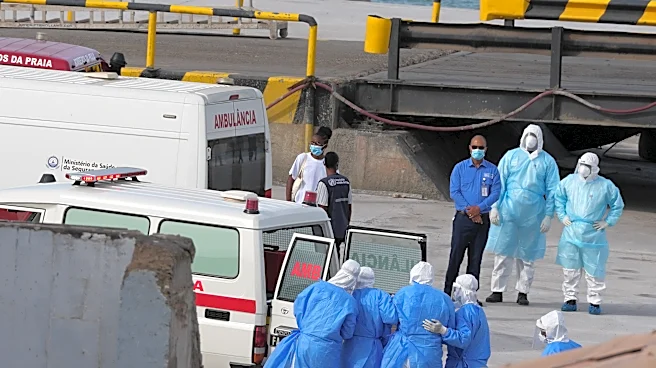
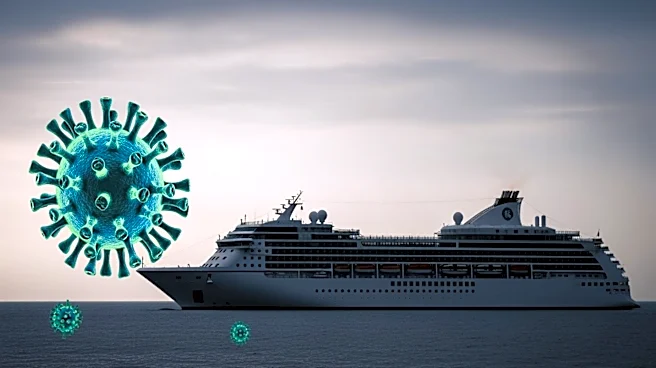
Two residents of New Jersey are under observation for potential hantavirus exposure after coming into contact with passengers from the MV Hondius cruise ship, which is linked to a hantavirus outbreak. The cruise, which departed from Argentina, has been
associated with several cases of the virus, including three fatalities. The U.S. Centers for Disease Control and Prevention (CDC) has issued a 'level 3' threat, indicating a low but monitored risk. The New Jersey Department of Health has stated that the risk to the general public remains low, and the situation is being closely monitored. Hantavirus symptoms can appear between four and 42 days after exposure, and asymptomatic individuals are generally not considered contagious.
Why It's Important?
The monitoring of these individuals highlights the potential for international travel to facilitate the spread of infectious diseases. The hantavirus, which can be deadly, poses a significant public health concern due to its high fatality rate in some cases. The CDC's involvement underscores the importance of vigilance in tracking and containing such outbreaks to prevent wider transmission. This situation also raises awareness about the need for stringent health protocols on cruise ships and other forms of international travel to mitigate the risk of spreading infectious diseases.
What's Next?
Health officials will continue to monitor the situation closely, particularly the two New Jersey residents and other individuals who may have been exposed. The CDC may convene experts to assess the situation and determine if further action is necessary. The public will likely be updated as more information becomes available, especially if additional cases are identified. The incident may prompt a review of health and safety measures on cruise ships to prevent future outbreaks.