



What's Happening?
The Alabama Emergency Management Agency (AEMA) recently convened a meeting in Baldwin County to discuss strategies for emergency management, mitigation, and response. Led by AEMA Division Coordinator Steven Huff, the meeting included discussions on a new
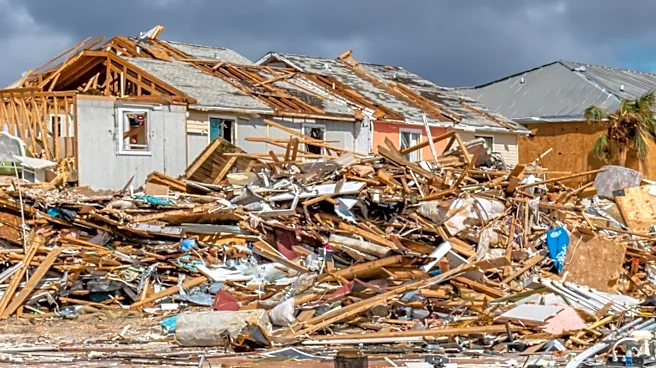
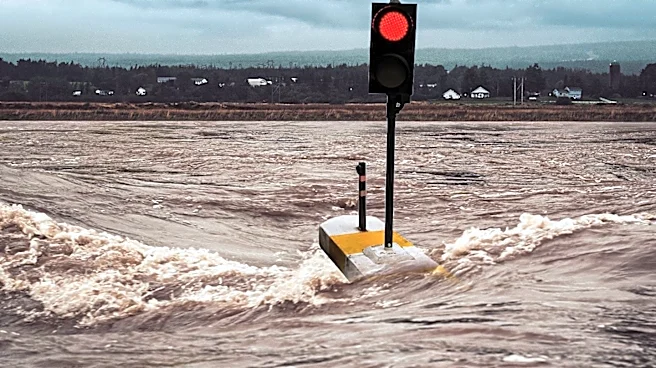
camp safety law and the Safer Spaces program, which aims to provide shelters during severe weather. AEMA Executive Operations Officer Craig Bolling provided a timeline for the implementation of the camp safety law. Additionally, AEMA Recovery's Kim Bryant and Selena Hardy from the Governor's Office of Volunteer Services highlighted the importance of long-term recovery efforts in disaster scenarios. The meeting also featured training sessions by AEMA IT and communications teams on systems for efficient information sharing during disasters. Representatives from the National Weather Service and the Alabama Association of Emergency Managers participated, emphasizing the importance of preparedness and resilience.
Why It's Important?
This meeting underscores the critical role of coordinated disaster planning and response in Alabama. By bringing together various stakeholders, including state and local emergency managers, the AEMA aims to enhance the state's readiness for natural disasters. The introduction of the camp safety law and the Safer Spaces program reflects a proactive approach to ensuring public safety during emergencies. The involvement of volunteer organizations highlights the community's role in disaster recovery, emphasizing the need for collaboration between government agencies and civil society. The training on information systems is crucial for timely and effective communication during crises, which can significantly impact the efficiency of emergency response efforts.
What's Next?
Following the meeting, AEMA plans to continue refining its emergency management strategies, with a focus on implementing the new camp safety law and expanding the Safer Spaces program. Counties across Alabama are expected to collaborate with local organizations to identify and establish safer spaces for shelter during severe weather events. The AEMA will likely conduct further training sessions to ensure that all stakeholders are equipped with the necessary skills and knowledge for effective disaster response. Additionally, ongoing communication and collaboration with volunteer organizations will be essential to strengthen long-term recovery efforts and build a more resilient community.