



What's Happening?
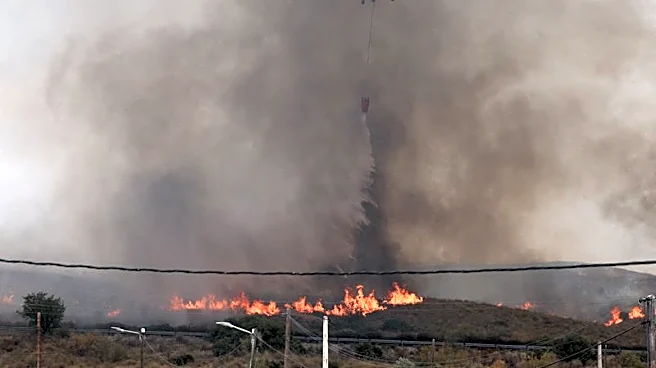
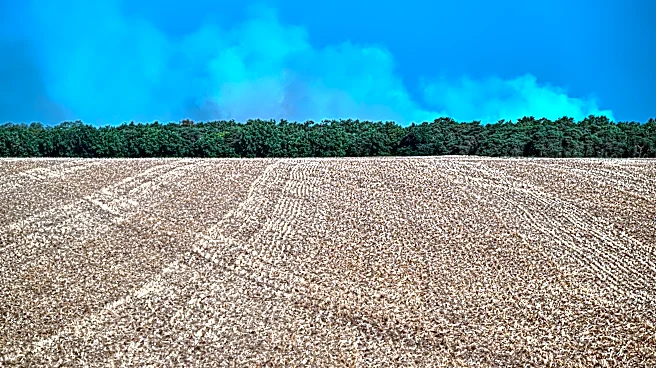
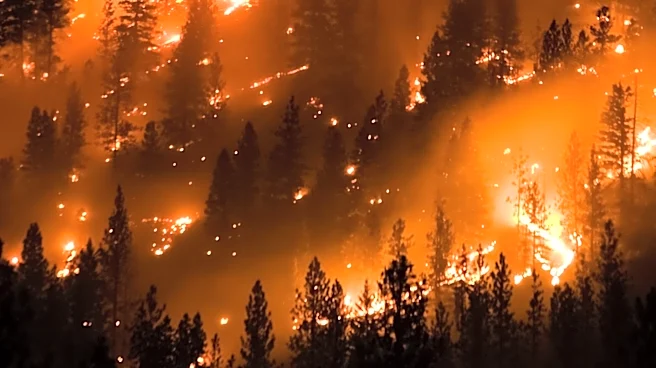
A significant wildfire has erupted in the Fontainebleau forest near Paris, France, amid a severe heatwave affecting much of Europe. The blaze has led to the closure of the A6 highway and disrupted high-speed train services. French authorities have deployed
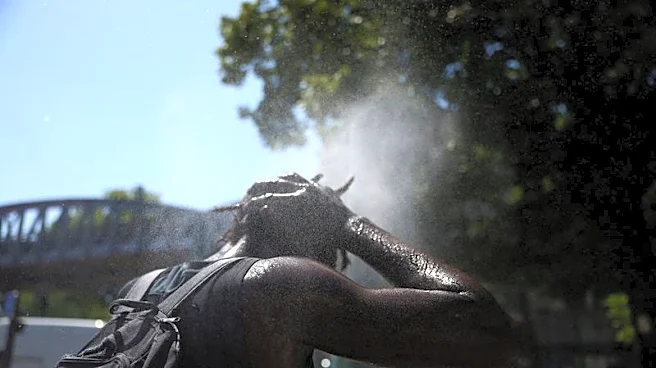
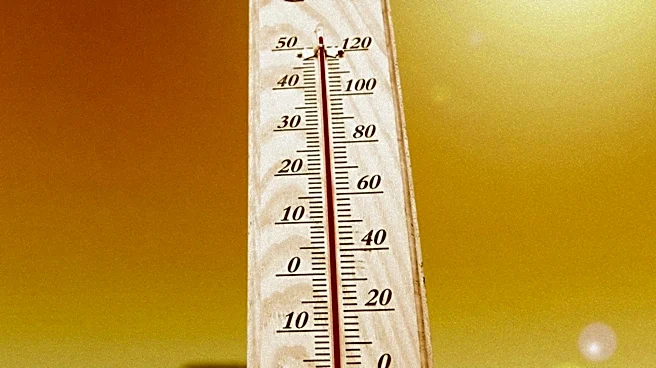
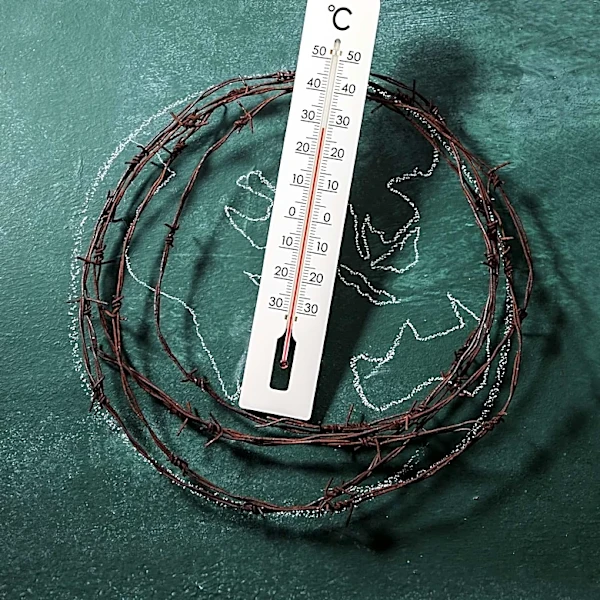
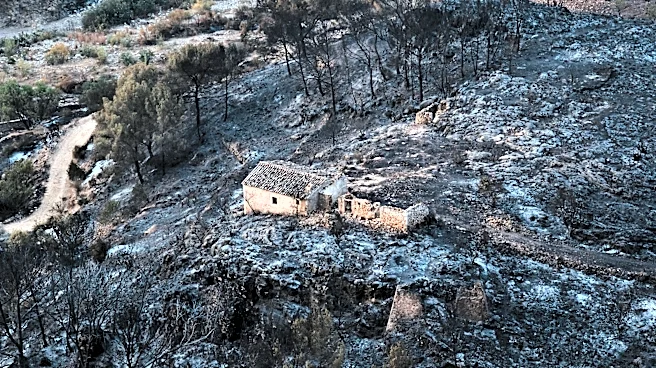
hundreds of firefighters and water-bombing aircraft to combat the fire, which has forced the evacuation of approximately 800 people. The fire's origin is considered suspicious, with multiple ignition points suggesting possible arson. Meanwhile, Spain is grappling with one of its deadliest wildfires in Almeria, which has claimed 13 lives. The ongoing heatwave, the third of the summer, is exacerbating the situation, with scientists attributing the increased frequency and intensity of such fires to climate change.
Why It's Important?
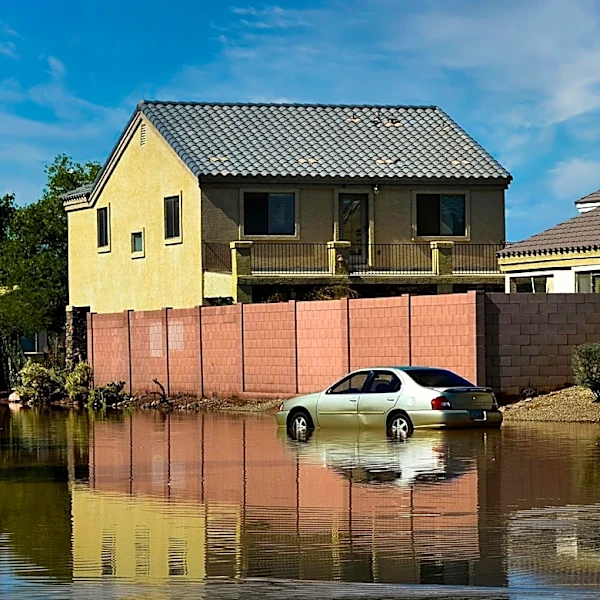
The wildfires in Europe highlight the growing impact of climate change, as extreme weather conditions become more frequent and severe. These fires not only pose immediate threats to human life and property but also have broader implications for environmental and economic stability. The disruption of transportation networks and the strain on emergency services underscore the challenges faced by governments in managing natural disasters. Additionally, the fires contribute to air pollution and carbon emissions, further exacerbating climate change. The situation calls for enhanced fire prevention measures and international cooperation to address the root causes of climate change and mitigate its effects.
What's Next?
As the heatwave continues, European countries are likely to experience more wildfires, necessitating ongoing vigilance and preparedness. Authorities may need to implement stricter fire prevention regulations and invest in advanced firefighting technologies. The situation also presents an opportunity for policymakers to prioritize climate action and develop comprehensive strategies to reduce greenhouse gas emissions. Public awareness campaigns and community engagement will be crucial in fostering resilience and encouraging sustainable practices. The international community may also need to collaborate on research and resource-sharing to effectively combat the growing threat of wildfires.
Beyond the Headlines
The wildfires in Europe serve as a stark reminder of the interconnectedness of global environmental issues. The events underscore the ethical responsibility of nations to address climate change and protect vulnerable populations. The fires also highlight the need for a cultural shift towards sustainable living and environmental stewardship. Long-term, these incidents could drive innovation in renewable energy and sustainable agriculture, as societies seek to reduce their carbon footprint and adapt to changing climate conditions. The situation may also influence public opinion and political discourse, potentially leading to more robust climate policies and international agreements.