





What's Happening?
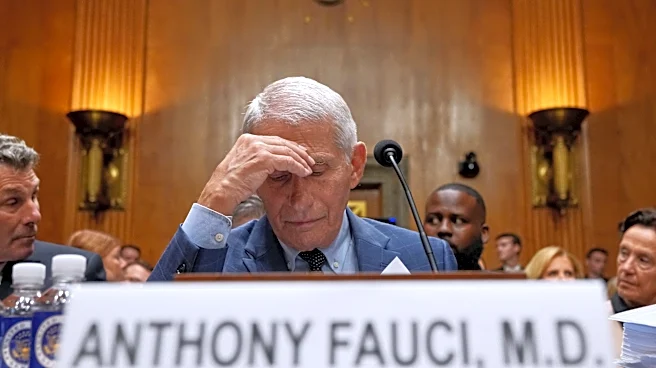
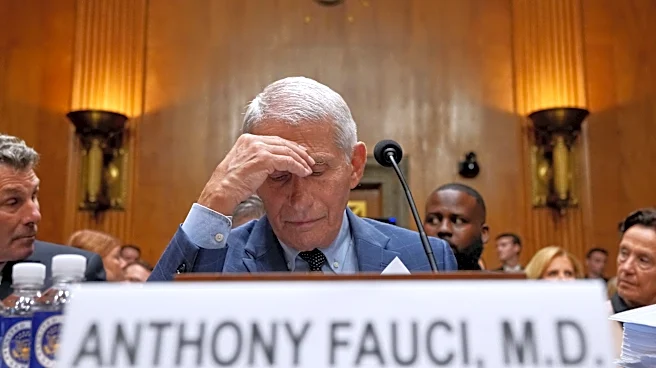
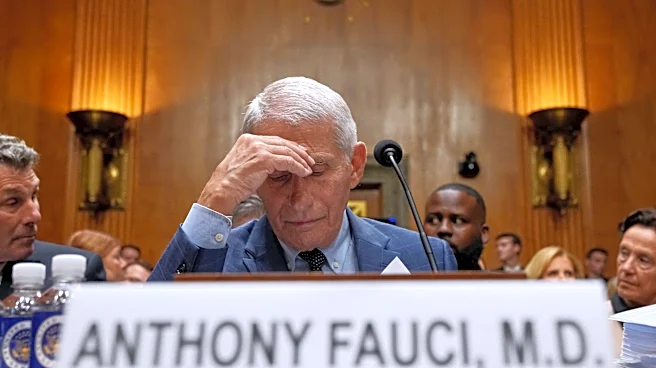
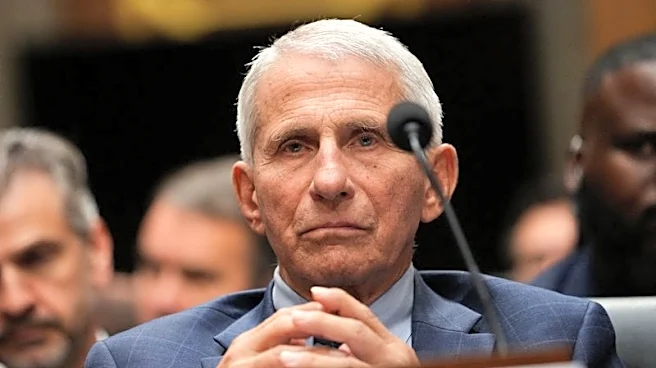
Rand Paul's committee voted to hold Anthony Fauci in contempt of Congress after he invoked his Fifth Amendment right during a hearing on July 29, 2026. Fauci, who has been pardoned for past federal offenses, refused to answer questions, citing his constitutional
rights. The Justice Department is reviewing the committee's request to charge Fauci, which could result in up to a year in jail. The controversy centers on whether Fauci's pardon negates his Fifth Amendment rights, with Senator Josh Hawley arguing that the pardon removes his privilege against self-incrimination. However, the pardon only covers past offenses, not future testimony, leaving Fauci's invocation of the Fifth Amendment a point of legal contention.
Why It's Important?
This development highlights the ongoing political and legal battles surrounding high-profile figures involved in the COVID-19 response. The case raises questions about the limits of presidential pardons and the application of the Fifth Amendment. If Fauci is charged, it could set a precedent affecting how pardons are interpreted in relation to congressional testimony. The outcome may influence future interactions between government officials and congressional committees, potentially impacting how public officials navigate legal protections while under scrutiny.
What's Next?
The Justice Department's decision on whether to pursue charges against Fauci will be pivotal. If charges are filed, it could lead to a legal battle over the interpretation of the Fifth Amendment and the scope of presidential pardons. The Senate may also vote on the contempt resolution after its August recess, which could further escalate the situation. The case could influence future congressional hearings and the legal strategies of public officials facing similar circumstances.