







What's Happening?
The YWCA of Hawaii Island has broken ground on a multimillion-dollar renovation project for its preschool facilities at its downtown Hilo campus. The project, part of the organization's $21 million "Building a Bright Future" campaign, aims to replace
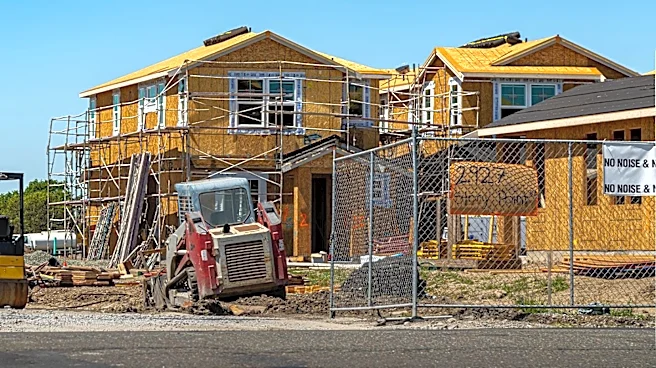
aging structures with modern modular classrooms, increasing student capacity by 30% from 90 to 125 children. The current preschool is at full capacity with a waitlist. The renovation will also include new outdoor play areas, covered walkways, and a commercial kitchen. Construction is set to begin later this month with the demolition of existing structures, including a nearly 100-year-old cottage that served as a classroom. The project has secured approximately $5.5 million in grants and private donations, with an estimated total cost of $7 million, leaving a funding gap of about $1.5 million. State Sen. Tim Richards emphasized the importance of the preschool in supporting working parents by providing essential childcare services.
Why It's Important?
This renovation project by the YWCA of Hawaii Island is significant for several reasons. Firstly, it addresses a critical need for increased childcare capacity in the region, directly impacting working parents and the local economy. By expanding the preschool's enrollment by 30%, the YWCA will enable more parents to participate in the workforce, contributing to economic stability and growth on the Big Island. Secondly, the investment in modern modular classrooms and improved facilities underscores a commitment to quality early childhood education, which is foundational for children's development and future academic success. The YWCA's preschool is nationally accredited, highlighting its dedication to high educational standards. Lastly, the project's funding model, relying on a combination of grants and private donations, demonstrates community-wide support for early education and the YWCA's broader mission. The remaining funding gap, however, indicates the ongoing challenge of securing sufficient resources for vital community services, even with strong local backing.
What's Next?
Construction on the YWCA of Hawaii Island's preschool renovation is slated to begin later this month with the demolition of existing structures. The organization will continue its fundraising efforts to close the remaining $1.5 million gap in the estimated $7 million project cost, with hopes that the funds will be secured as construction progresses. The "Building a Bright Future" campaign, of which this preschool renovation is a part, also includes future plans for a multipurpose building and a 10-unit housing complex for vulnerable women and families, with timelines contingent on further funding. The successful completion of the preschool project will lead to an increase in student capacity and enhanced educational facilities, directly benefiting the community's children and working parents. The YWCA will likely continue to engage with community leaders, donors, and grant-making organizations to ensure the full realization of its campaign goals and the sustained provision of its core programs.
Beyond the Headlines
The YWCA of Hawaii Island's preschool renovation project, while focused on early childhood education, carries deeper implications for community development and social equity. The expansion of childcare services directly supports the economic empowerment of women, a core tenet of the YWCA's mission, by enabling mothers to pursue employment or educational opportunities. This initiative also highlights the critical role of non-profit organizations in addressing systemic social needs that may not be fully met by public services. The project's reliance on grants and private donations reflects a community-driven approach to problem-solving, fostering a sense of collective responsibility for the welfare of children and families. Furthermore, the long-term vision of the "Building a Bright Future" campaign, which includes housing for vulnerable women and families, underscores an integrated approach to social support, recognizing the interconnectedness of education, economic stability, and safe housing. This holistic strategy aims to break cycles of disadvantage and build a more resilient and equitable community for generations to come.