








What's Happening?
Nagaland is experiencing a rise in vector-borne diseases such as malaria, Japanese Encephalitis, and dengue, attributed to climate change. The region's increasing temperatures and climate variability have intensified the spread of these diseases, particularly
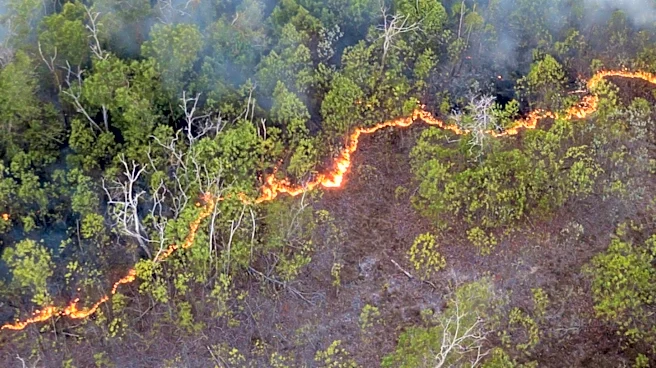
in areas like Dimapur, Kohima, and Mon. The state has also faced severe weather events, including landslides and floods, exacerbating the public health crisis. The loss of forest cover due to practices like shifting cultivation and deforestation has further contributed to environmental degradation, impacting water availability and biodiversity.
Why It's Important?
The rise in vector-borne diseases in Nagaland highlights the broader implications of climate change on public health. As temperatures rise and weather patterns become more erratic, regions like Nagaland face increased health risks, threatening vulnerable populations. This situation underscores the need for effective climate adaptation strategies and public health interventions to mitigate the impact of climate change on health. The challenges faced by Nagaland could serve as a warning for other regions experiencing similar climate-induced health issues.
What's Next?
Efforts to combat the spread of vector-borne diseases in Nagaland include developing early warning systems and improving water management. The state is also focusing on sustainable forest management and promoting alternative energy sources to reduce reliance on forest resources. These initiatives aim to enhance disaster preparedness and resilience against climate change impacts. Continued research and community engagement are crucial to addressing the health challenges posed by climate change in Nagaland.