




What's Happening?
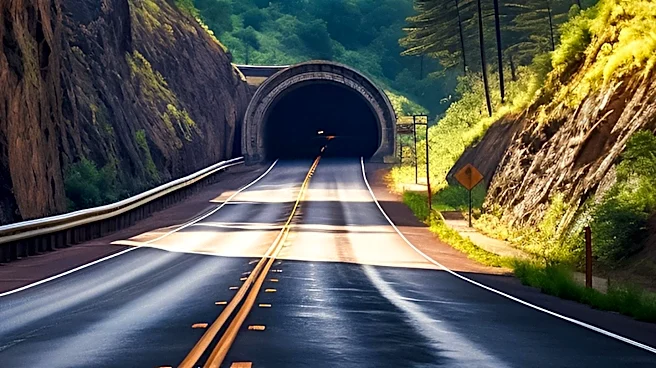
An RV driver recently damaged their vehicle while attempting to navigate the Needles Eye Tunnel on the Needles Highway in South Dakota’s Custer State Park. Denise Yelton and Todd Beaver, full-time RVers, witnessed the incident on Friday morning. They
had parked their own 38-foot Holiday Rambler Nautica and were driving their Jeep Gladiator to explore the highway, known for its narrow passages. The Needles Eye Tunnel is particularly restrictive, measuring 8 feet, 4 inches wide and 9 feet, 8 inches tall. The driver of a Freedom Elite motorhome, despite numerous warning signs along the road, proceeded into the tunnel. As the RV attempted to pass through, its awning scraped against the tunnel wall, eventually leading to its detachment when the driver tried to back out. Yelton recorded the event, and her video, posted on her 'Better Get to Livin’' Facebook page, quickly gained significant attention, increasing her follower count from 347 to over 9,000 in three days.
Why It's Important?
This incident highlights a recurring issue of RV and motorhome drivers misjudging the suitability of their large vehicles for certain scenic routes, particularly those with restrictive infrastructure like the Needles Highway. The Needles Highway, located near Mount Rushmore, is a popular tourist destination, and such incidents can lead to traffic delays, potential damage to public infrastructure, and significant repair costs for the vehicle owners. The widespread sharing of Yelton's video underscores the public's interest in and awareness of these challenges, potentially serving as a cautionary tale for other RV enthusiasts. For the tourism industry in South Dakota, particularly in areas like Custer State Park, these events can impact visitor experience and necessitate clearer signage or enforcement of vehicle restrictions to prevent future occurrences. The incident also emphasizes the importance of pre-trip planning and utilizing specialized navigation tools, such as the RV Life app, designed to help RV drivers avoid unsuitable routes.
What's Next?
Following this incident, it is likely that discussions will continue regarding the adequacy of existing signage and warnings on the Needles Highway and similar scenic routes. Park authorities in Custer State Park may review their current measures to ensure that drivers of oversized vehicles are sufficiently informed about the restrictions. The viral nature of the video could prompt more RV owners to research their routes more thoroughly using specialized apps like RV Life, potentially leading to a reduction in similar incidents. For the driver involved, the immediate next steps will involve assessing the full extent of the damage to their Freedom Elite motorhome and arranging for repairs. The couple who witnessed the event, Denise Yelton and Todd Beaver, will continue their RV journey, heading towards Yellowstone National Park, presumably with continued adherence to their careful route planning practices.
Beyond the Headlines
The incident at the Needles Eye Tunnel transcends a simple traffic mishap, touching upon broader themes of responsible tourism, the impact of social media on public awareness, and the evolving landscape of recreational travel. The rapid virality of Yelton's video illustrates how personal experiences, when shared online, can quickly become public lessons, influencing the behavior of a wider community. This phenomenon can foster a sense of collective responsibility among RVers to adhere to safety guidelines and respect environmental and infrastructural limitations. Furthermore, the event highlights a generational shift in travel, with more individuals embracing full-time RV living, which necessitates a greater understanding of vehicle capabilities and route planning. The reliance on specialized apps like RV Life signifies a growing trend towards technology-assisted travel, where digital tools play a crucial role in ensuring safety and preventing costly mistakes. This incident serves as a reminder that while the open road offers freedom, it also demands careful preparation and respect for the unique challenges presented by diverse landscapes and infrastructure.