





What's Happening?
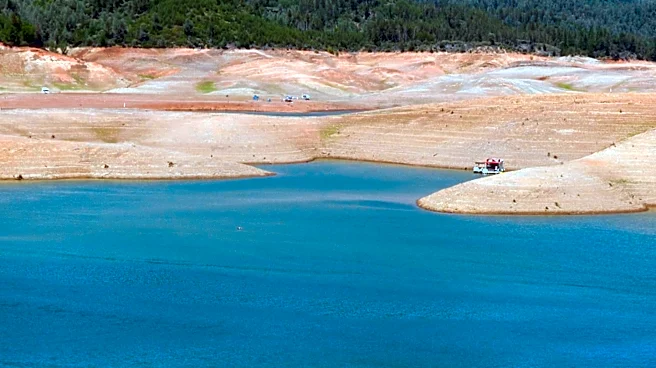
The City of Durham is experiencing prolonged drought conditions, leading to significant concerns about its water supply. City officials estimate that the two primary reservoirs, Lake Michie and Little River, are at a combined 33% capacity, leaving approximately
80 days of easily accessible water. This situation has prompted Durham to implement Stage 2 water shortage protocols, a level of restriction not seen since 2007. Under these protocols, activities such as washing personal vehicles at home and residential landscaping are prohibited. While some heavy water users like recreational fields and botanical gardens are exempt, they are required to limit consumption and submit water conservation plans. The city is also actively working with neighboring Orange and Wake Counties to purchase water from their reservoirs, specifically nine million gallons daily from Jordan Lake via Cary and two million gallons from Orange County. Additionally, Durham has tapped into its emergency reserves at Teer Quarry, which holds about one billion gallons of water, providing an additional 17 days of supply. Despite these measures, officials note that significant rainfall is the only long-term solution, and current short-term forecasts do not indicate sufficient precipitation.
Why It's Important?
The ongoing drought in Durham highlights the increasing vulnerability of urban areas to climate-related water scarcity, impacting daily life for residents and posing challenges for local governance. The implementation of Stage 2 restrictions directly affects household routines and certain businesses, necessitating behavioral changes and potentially incurring additional costs for water-dependent operations. The reliance on inter-county water transfers underscores the interconnectedness of regional water infrastructure and the need for collaborative water management strategies, especially as populations grow. This situation also brings to the forefront the financial implications of water scarcity, as the city invests heavily in capital improvement plans, such as the $158.8 million allocated for the Jordan Lake Water Treatment Plant, to secure future water needs. The drought serves as a stark reminder of the long-term planning required to ensure water security in the face of unpredictable weather patterns and increased demand, influencing future urban development and resource allocation policies.
What's Next?
Durham city officials are closely monitoring reservoir levels and weather forecasts, with the possibility of escalating to Stage 3 water shortage restrictions if conditions do not improve. Such a move would impose further limitations on water use for both residents and businesses. The city continues to rely on water purchases from Orange and Wake Counties and its emergency reserves, but these are temporary solutions. Long-term, the completion of the Jordan Lake Water Treatment Plant is crucial for diversifying Durham's water sources and increasing its resilience to drought. Officials are also hopeful for a significant weather event, El Niño, anticipated later this year and into next year, which could bring substantial rainfall to the North Carolina piedmont. In the interim, residents are encouraged to continue water conservation efforts, though city staff note that many households are already highly efficient due to past upgrades in utilities. The situation will likely prompt ongoing public awareness campaigns and discussions about sustainable water practices and infrastructure investment.
Beyond the Headlines
The drought in Durham reflects a broader national trend of increasing water stress due to climate change and population growth, prompting deeper considerations about urban planning and environmental sustainability. The city's experience underscores the ethical dimensions of water allocation, particularly concerning exemptions for certain heavy water users versus restrictions on individual households. It also highlights the complex interplay between local weather patterns and public perception; residents may see rain in their immediate vicinity but not understand why reservoir levels remain low if the rainfall doesn't occur in the watershed. This disconnect can lead to public frustration and challenges in enforcing conservation measures. Furthermore, the situation could accelerate the adoption of innovative water management technologies and policies, such as advanced water recycling and demand management programs, as municipalities seek more resilient and sustainable water futures. The long-term implications extend to regional economic stability, as water availability can influence industrial development and agricultural output.