




What's Happening?
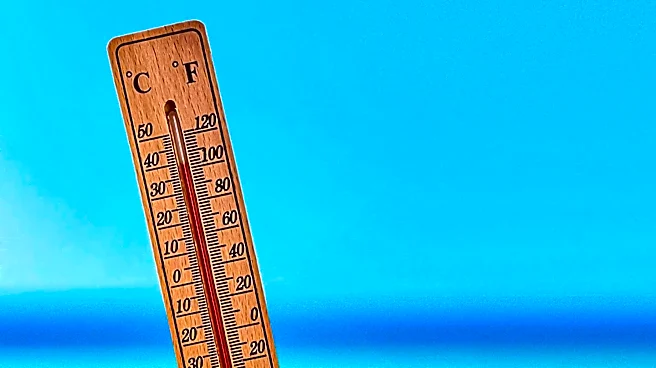
Extreme heat is spreading across the Midwest and East Coast, with several major cities expected to reach 100-degree temperatures. The heat wave, originating in the West, is moving into the Southern Plains and mid-Mississippi Valley, prompting warnings
from California to Illinois. Cities like Las Vegas, Denver, and Albuquerque are experiencing high temperatures, while parts of Missouri, Kansas, and Oklahoma are also affected. The East Coast remains hot and humid, with heat indices making it feel significantly warmer. The heat has already led to health issues, with 72 people treated for heat-related illnesses at a festival in Colorado Springs.
Why It's Important?
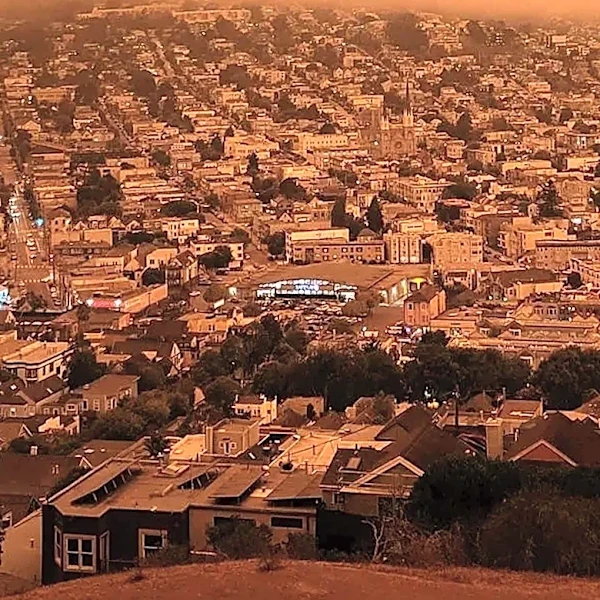
The extreme heat poses significant health risks, particularly for vulnerable populations such as the elderly and those with pre-existing health conditions. It can lead to increased hospitalizations and strain on healthcare systems. The heat wave also raises concerns about energy consumption and the potential for power outages as demand for air conditioning rises. Additionally, the hot and dry conditions elevate the risk of wildfires, particularly in the Northwest, where several fires are already burning. This situation underscores the broader impacts of climate change and the need for preparedness and adaptation strategies.
What's Next?
As the heat wave continues, authorities are likely to issue additional advisories and warnings to help mitigate health risks. Public health campaigns may focus on educating residents about staying hydrated and recognizing signs of heat-related illnesses. Energy providers may implement measures to manage increased demand and prevent outages. In the longer term, this event may prompt discussions on infrastructure improvements and policies to address the impacts of climate change, including heat mitigation strategies and emergency response planning.