









What's Happening?
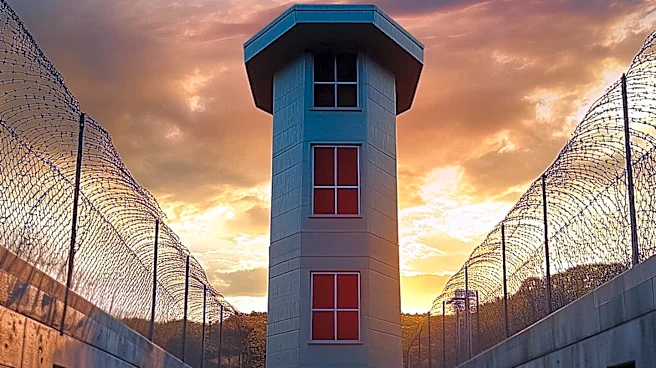
A federal judge has ordered significant changes at the Adelanto ICE Processing Center following a class-action lawsuit by detainees and immigrant advocacy groups. U.S. District Judge Sunshine S. Sykes found that the detainees are likely to succeed in their
claims that the government violated their constitutional and disability rights. The judge's order mandates improvements in medical care, sanitation, food, recreation, disability accommodations, and visitation. The Department of Homeland Security and Immigration and Customs Enforcement (ICE) are required to ensure detainees have 24-hour access to clean drinking water, nutritious meals, and adequate sanitation. Additionally, ICE must develop a remedial plan within 14 days to implement comprehensive systems for medical care and disability accommodations, including health screenings and timely treatment. Two independent monitors will oversee compliance with these changes.
Why It's Important?
The ruling highlights ongoing concerns about the treatment of detainees in U.S. immigration facilities, particularly regarding their constitutional and disability rights. The decision could set a precedent for other detention centers facing similar allegations. The changes ordered by the court aim to address longstanding issues such as inadequate medical care and poor living conditions, which have been criticized by advocacy groups and government reports. This development underscores the need for accountability and reform in the management of immigration detention facilities, potentially impacting policies and practices nationwide. The outcome of this case could influence future litigation and policy decisions related to immigration enforcement and detainee rights.
What's Next?
ICE and the Department of Homeland Security are expected to comply with the court's order by developing and implementing the required remedial plan. The involvement of independent monitors will ensure that the mandated changes are effectively carried out. The case will continue to be monitored by the court, and further legal actions may arise depending on the compliance and effectiveness of the implemented changes. The decision may prompt other advocacy groups to pursue similar legal actions in other facilities, potentially leading to broader reforms in the immigration detention system.