






What's Happening?
The Pennsylvania Turnpike Commission, in collaboration with the Pennsylvania State Police, is initiating a second statewide enforcement campaign in October to address unpaid tolls. This initiative will involve troopers issuing citations and potentially
impounding vehicles belonging to motorists with suspended registrations due to outstanding toll debts. The upcoming crackdown follows a successful operation in April, where over 200 traffic stops were conducted on a single day, identifying 23 drivers who collectively owed more than $130,000 in past-due tolls. During that operation, approximately 90% of these motorists took immediate steps to resolve their balances, leading to the collection of about $85,000. Since April, state police have stopped over 1,100 additional drivers with toll-related registration suspensions. The Turnpike Commission refers drivers with $250 or more in unpaid tolls and fees, or four unpaid Toll By Plate invoices, to PennDOT for registration suspension. Since 2018, more than 200,000 'Eligible for Suspension' notices have been issued, with over 67,000 vehicles currently under active suspension.
Why It's Important?
This enforcement initiative is crucial for ensuring fairness to the majority of Pennsylvania Turnpike users who consistently pay their tolls. The collection of unpaid tolls helps maintain the financial viability of the Turnpike system, which relies on these revenues for its operation, maintenance, and future infrastructure projects. The partnership between the Turnpike Commission and the State Police demonstrates a commitment to deterring toll evasion and holding accountable those who repeatedly ignore their financial obligations. The success of previous enforcement actions, which resulted in significant collections and payment plan setups, highlights the effectiveness of such crackdowns. By enforcing these regulations, the state aims to protect the interests of compliant drivers and ensure that the burden of funding the Turnpike is shared equitably. The potential penalties, including substantial fines, driver's license suspension, and vehicle impoundment, underscore the serious consequences of non-compliance.
What's Next?
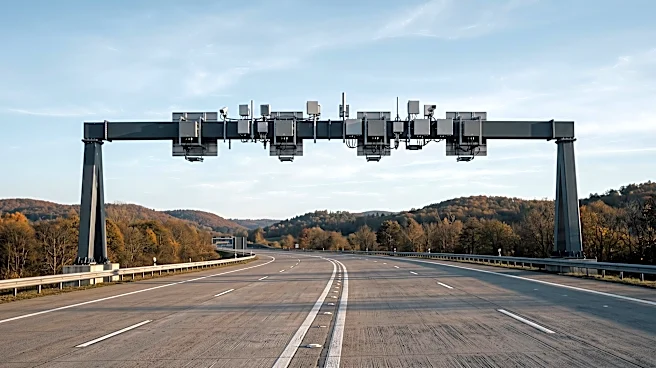
The October enforcement initiative will continue to target motorists with unpaid tolls and suspended registrations. The Pennsylvania Turnpike will transition to an Open Road Tolling system statewide in January, allowing motorists to pass under overhead gantries at highway speeds without stopping. This new system aims to improve efficiency and potentially create new local access points. The Turnpike Commission also supports the use of license plate recognition technology by law enforcement to further enhance enforcement efforts. Drivers are encouraged to pay their bills through E-ZPass, which offers savings of up to 50%, or via Toll By Plate, which mails invoices to registered owners. The commission's ongoing efforts will focus on making it easier for compliant drivers to pay while strengthening measures to hold non-compliant individuals accountable, with the goal of recovering more of the outstanding $74 million in tolls and fees collected as of August.
Beyond the Headlines
The persistent issue of unpaid tolls reflects broader challenges in public infrastructure funding and compliance. While the immediate goal is to recover lost revenue, the enforcement actions also serve as a deterrent, aiming to foster a culture of accountability among drivers. The transition to Open Road Tolling in January represents a significant technological shift, moving towards a more automated and potentially less confrontational method of toll collection. However, it also places a greater emphasis on back-end enforcement mechanisms like license plate recognition and registration suspensions. The ethical implications of such systems include balancing privacy concerns with the need for revenue collection and ensuring that enforcement is applied fairly across all socioeconomic groups. The long-term success of these initiatives will depend not only on their ability to collect outstanding debts but also on their capacity to encourage voluntary compliance and maintain public trust in the fairness of the tolling system.