






What's Happening?
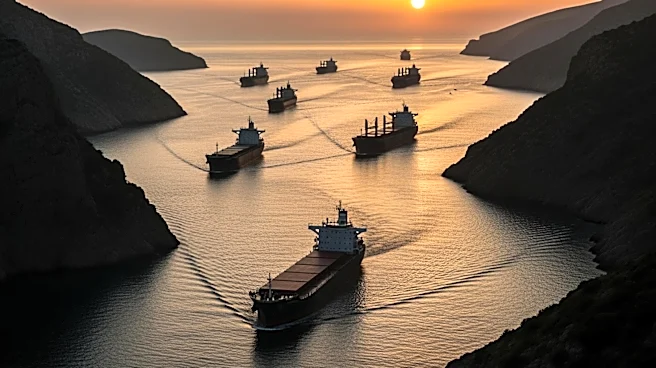
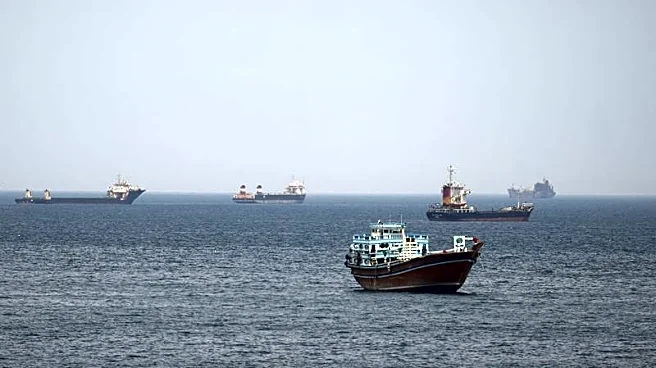
Shipping executives at the FT 'Commodities - Global Summit' indicated that Asian shipowners, with greater risk tolerance, may soon begin sailing through the Strait of Hormuz despite a fragile ceasefire between the U.S. and Iran. Asian companies can pay
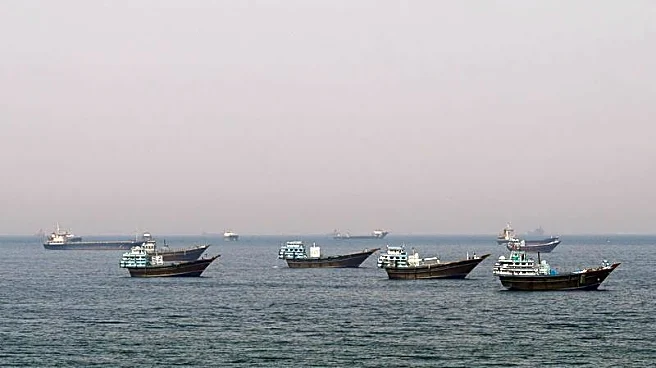
tolls more easily than Western firms, which comply with sanctions. Since February, hundreds of vessels have been stuck in the Middle East Gulf, causing significant energy supply disruptions. Some tankers managed to escape, but Iran halted movement by firing shots at other ships. Safety concerns and increased costs continue to affect the Hormuz trade, with the Advanced War Risk Premium set to rise.
Why It's Important?
The potential for Asian shipowners to navigate the Strait of Hormuz amid ongoing tensions highlights the complex interplay between geopolitical risks and commercial interests. As companies weigh the costs and benefits of crossing the strait, the situation underscores the challenges of operating in regions with heightened security concerns. The ability of Asian firms to pay tolls and navigate sanctions may provide them with a competitive advantage, but also exposes them to significant risks. The disruption in the strait affects global energy supply chains, influencing market dynamics and strategic decisions for companies involved in shipping and energy production.