





What's Happening?
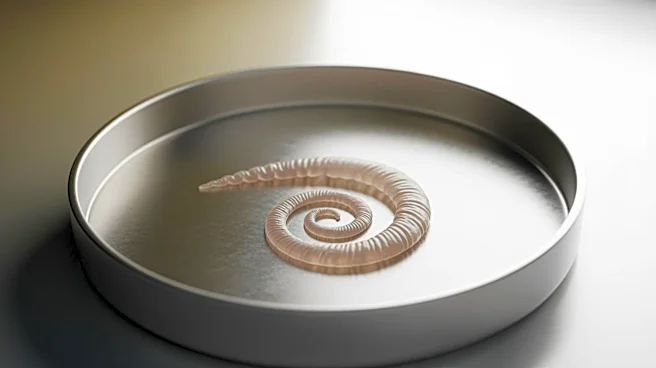
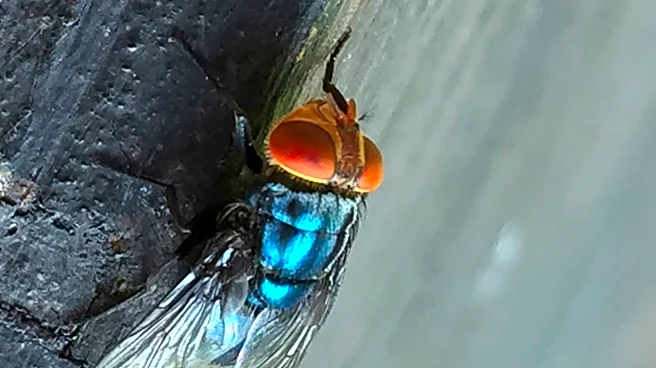
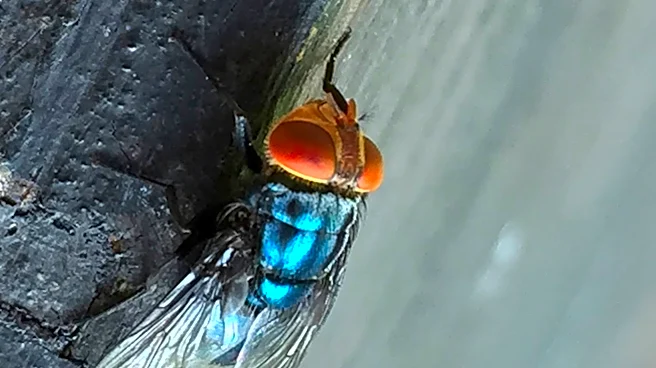
The New World screwworm has been confirmed in seven cases across Texas and New Mexico, raising concerns among pet owners and livestock farmers. The parasitic fly targets animals with wounds, laying eggs that hatch into maggots feeding on living flesh.
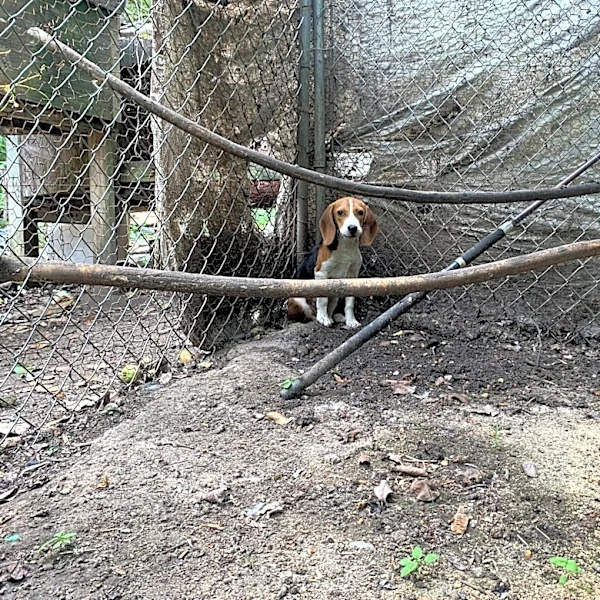
This outbreak has primarily affected young calves and a goat in South Texas, as well as a dog from New Mexico. Local, state, and federal officials, including the U.S. Department of Agriculture, are actively working to contain the outbreak. Measures include releasing sterile flies to prevent reproduction of the screwworm. Experts, such as Guy Loneragan from Texas Tech University, emphasize that while the situation is serious, there is a plan in place to manage it.
Why It's Important?
The screwworm outbreak poses a significant threat to the livestock industry, which is a vital part of Texas's economy. The parasite can cause severe damage to cattle, leading to economic losses for farmers. Additionally, pets are at risk, which raises concerns for pet owners about the health and safety of their animals. The outbreak highlights the need for vigilance and quick action to prevent widespread infestation. The involvement of federal and state agencies underscores the seriousness of the situation and the importance of coordinated efforts to protect both livestock and pets.
What's Next?
Efforts to control the screwworm outbreak will continue, with authorities monitoring the situation closely. Pet owners are advised to inspect their animals regularly for any signs of infestation and to maintain communication with veterinarians. The Texas Animal Health Commission and local veterinarians are key resources for managing and reporting cases. The use of antiparasitic treatments and fly control measures will be crucial in preventing further spread. The situation is expected to persist for several months, requiring ongoing vigilance and cooperation from all stakeholders.
Beyond the Headlines
The screwworm outbreak raises broader questions about biosecurity and the preparedness of agricultural and veterinary systems to handle such threats. It also highlights the interconnectedness of wildlife, livestock, and domestic animals in the spread of parasites. The situation may prompt discussions on improving preventive measures and response strategies to protect animal health and the agricultural economy in the future.