




What's Happening?
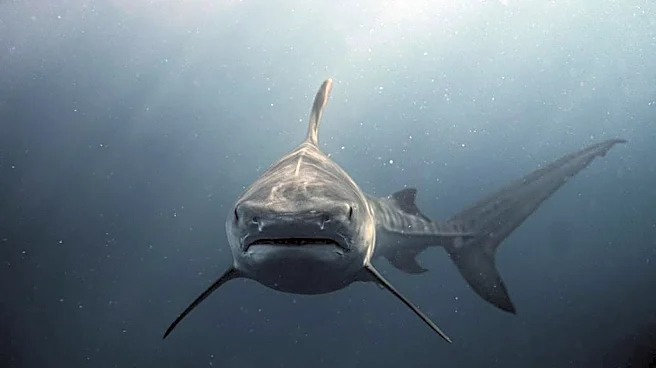
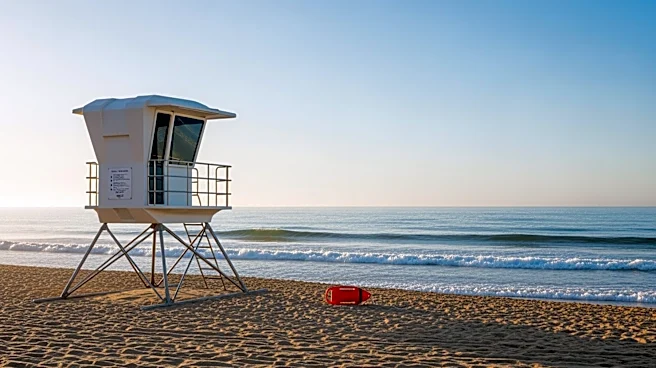
Sydney's Coogee Beach reopened under strict surveillance following a shark attack that left a woman critically injured. The incident has led to increased safety measures, including lifeguard and jet ski patrols, as well as the deployment of shark-spotting
drones. The attack occurred when the victim was swimming 30 meters from the shore and was bitten by a large shark, resulting in serious injuries. This event is part of a series of shark encounters along Australia's east coast, which have been increasing in frequency. Authorities are considering various safety measures, with a focus on technology rather than culling, due to the protected status of the white shark involved.
Why It's Important?
The rise in shark incidents has significant implications for public safety and tourism in Australia, particularly in popular beach destinations like Sydney. The debate over how to manage shark populations while ensuring swimmer safety is complex, involving environmental laws and public opinion. The use of technology, such as drones, represents a shift towards non-lethal methods of monitoring and protecting beachgoers. This approach could set a precedent for other regions facing similar challenges, balancing ecological concerns with human safety.
What's Next?
Authorities are expected to continue reviewing safety protocols and may expand the use of surveillance technology to other beaches. The community is engaged in discussions about the best ways to ensure safety without resorting to culling, which remains a contentious issue. Future incidents may prompt further regulatory changes, and ongoing monitoring will be crucial in adapting to the increasing frequency of shark encounters.