





What's Happening?
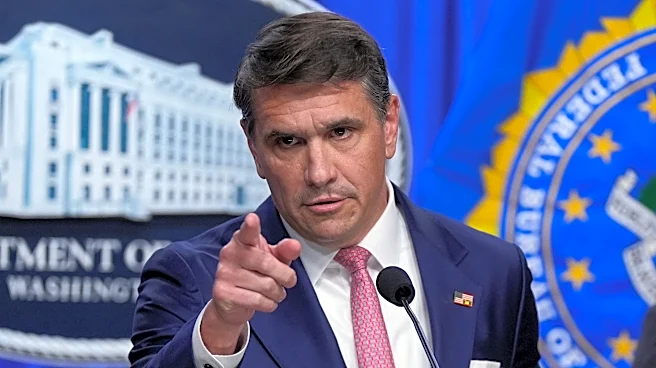
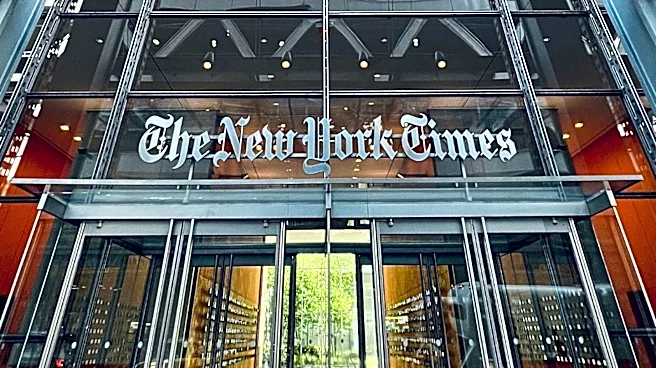
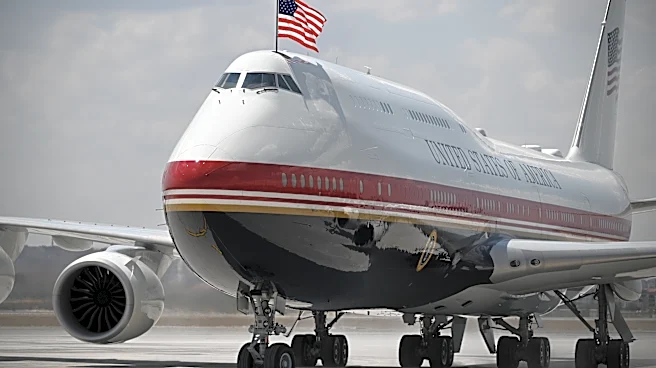
President Trump has initiated a leak investigation targeting The New York Times, following the publication of a story that contradicted his claims about a Qatari-gifted Air Force One. The New York Times reporters received subpoenas for an alleged violation
of federal criminal law, which many suspect were issued in response to Trump's dissatisfaction with the coverage. The subpoenas demand that reporters testify about their anonymous sources, a move criticized as an attempt to intimidate the press. The New York Times plans to challenge the subpoenas, citing protections for news gatherers under the First Amendment.
Why It's Important?
This development highlights ongoing tensions between the Trump administration and the media, raising concerns about press freedom and the use of government power to influence journalism. The case underscores the delicate balance between national security interests and the rights of the press to report on government actions. The outcome of this legal battle could set precedents for how future administrations handle leaks and media relations. It also reflects broader debates about transparency, accountability, and the role of the press in a democratic society.
What's Next?
The New York Times is expected to fight the subpoenas in court, potentially leading to a significant legal battle over press freedoms. The case may attract attention from press freedom advocates and legal experts, who could weigh in on the implications for journalistic practices. The Justice Department's actions will be closely scrutinized, particularly regarding its adherence to policies on handling media-related investigations. The resolution of this case could influence future interactions between the government and the press, shaping the landscape of American journalism.