





What's Happening?
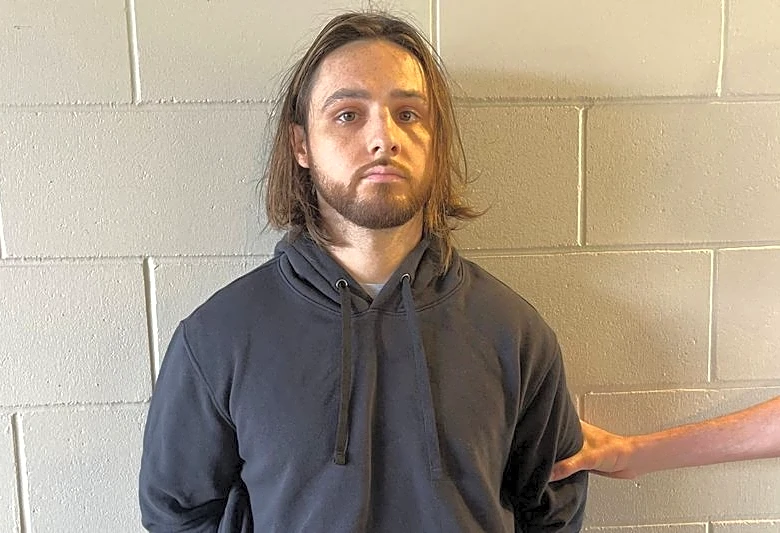
Timothy Hudson, the stepbrother of Anna Kepner, has been charged with her murder and sexual assault following the discovery of crucial evidence on Kepner's cellphone. The phone, which was initially thought to be lost, was found in a cruise ship's lost and found,
severely damaged. Investigators were able to retrieve data from the phone, which showed its movement across the ship and linked Hudson to the crime scene. Surveillance footage corroborated this evidence, showing Hudson at various locations where the phone connected to different routers. Hudson, who was reportedly obsessed with his stepsister, was initially charged as a minor but has since been refiled to be charged as an adult. He faces the possibility of two life sentences if convicted.
Why It's Important?
This case highlights the critical role of digital evidence in modern criminal investigations. The ability to recover and analyze data from damaged electronic devices can provide pivotal information that might otherwise be lost. The case also underscores the complexities of legal proceedings involving minors charged with serious crimes, as Hudson's charges were refiled to try him as an adult. This decision reflects the severity of the allegations and the potential for significant legal consequences. The outcome of this case could influence future legal strategies and policies regarding the treatment of juvenile offenders in the U.S. justice system.
What's Next?
As the legal proceedings continue, Hudson remains with relatives after a judge denied a motion to keep him in custody. The case will likely proceed to trial, where the evidence gathered from the cellphone and other sources will be presented. The legal community and public will be watching closely, as the trial could set precedents for how digital evidence is used in court and how juvenile offenders are prosecuted in serious cases. The trial's outcome could also impact the families involved, potentially leading to further legal and emotional ramifications.