






What's Happening?
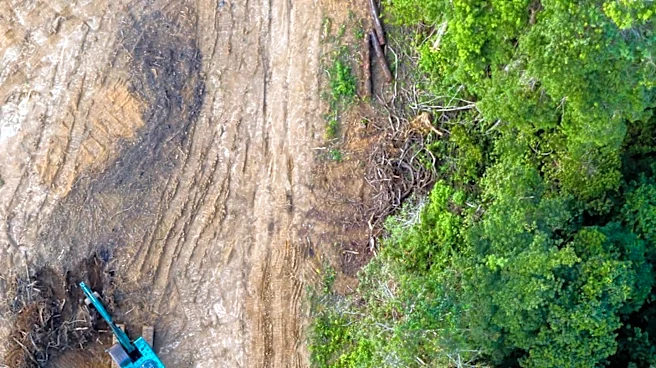
New European Union regulations are reshaping the risk landscape for Brazilian commodity buyers, particularly those dealing in cattle products. The EU now requires documented proof that products imported into Europe are free from deforestation and labor
abuses. This regulatory shift demands comprehensive supply chain visibility, transforming what was once a best practice into a legal necessity. Companies must now provide verifiable evidence for each link in their supply chains, with failure to comply posing significant risks, including potential legal and financial repercussions.
Why It's Important?
The EU's stringent regulations on deforestation and labor practices represent a significant shift in global trade standards, particularly affecting countries like Brazil, which are major exporters of commodities such as beef. These regulations aim to promote sustainable practices and protect environmental and human rights. For businesses, this means increased compliance costs and the need for robust supply chain management systems. The regulations could lead to a re-evaluation of sourcing strategies and potentially impact the competitiveness of Brazilian commodities in the European market. This development underscores the growing importance of sustainability in international trade and the role of regulatory frameworks in driving corporate responsibility.
What's Next?
Brazilian commodity buyers will need to enhance their supply chain transparency and documentation processes to meet EU standards. This may involve investing in new technologies or partnerships to ensure compliance. The EU's regulatory approach could inspire similar measures in other regions, further increasing the pressure on global supply chains to adopt sustainable practices. Companies failing to adapt may face exclusion from lucrative markets, while those that comply could gain a competitive edge. The situation may also prompt discussions between the EU and Brazil regarding trade agreements and environmental commitments.