






What's Happening?
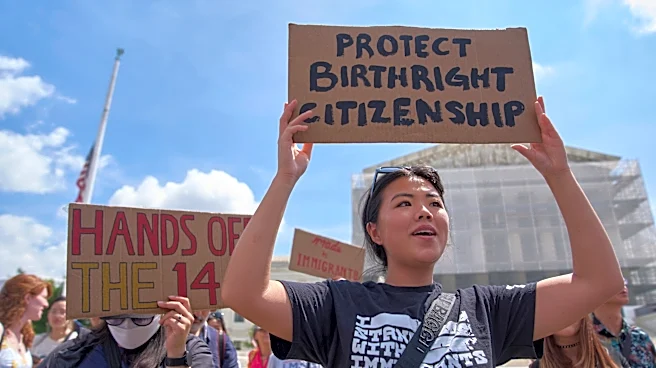
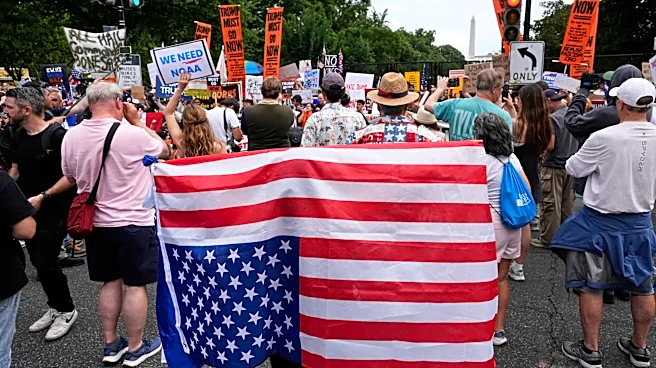
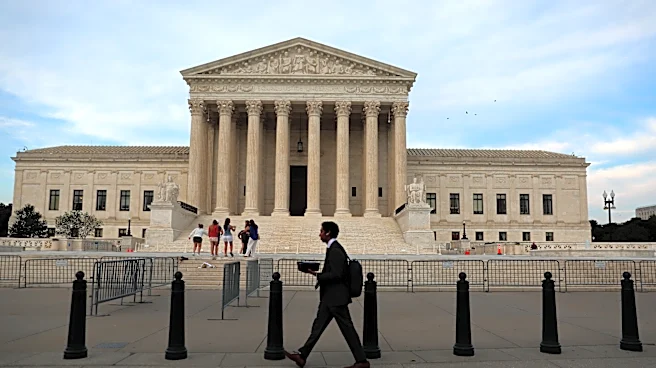
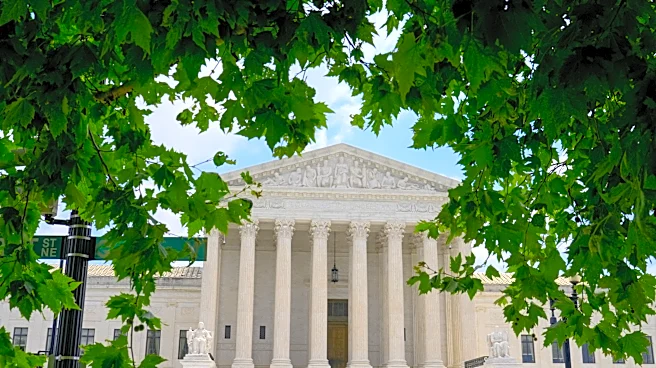
The Trump administration is moving forward with plans to terminate the Temporary Protected Status (TPS) for immigrants from Haiti and Syria, following a Supreme Court ruling. This decision impacts approximately 330,000 individuals who currently hold TPS,
a program designed to protect people from deportation if their home countries are deemed unsafe due to political instability, war, or natural disasters. The Department of Homeland Security (DHS) has already ended TPS for ten countries, affecting over a million people. The administration argues that TPS is meant to be temporary and encourages those affected to seek other legal statuses or return to their home countries. However, pathways to permanent residency, such as green cards, are limited and complicated, with no direct transition from TPS to permanent status.
Why It's Important?
The termination of TPS for these countries could lead to significant disruptions for the affected individuals, many of whom have lived in the U.S. for decades and have established families and careers. The decision underscores the administration's broader immigration policy, which has focused on reducing legal immigration pathways and increasing deportations. This move could also strain U.S. communities where TPS holders contribute economically and socially. The potential loss of legal work status for these individuals may lead to economic challenges and increased vulnerability to exploitation. Additionally, the decision may face legal challenges, as various lawsuits are already in progress to contest the administration's actions.
What's Next?
The DHS has not yet announced the exact timeline for the termination of TPS for Haiti and Syria, leaving many in uncertainty about their future in the U.S. Legal challenges to the administration's decision are ongoing, and the outcomes of these cases could influence the final implementation of the policy. The administration's stance may also prompt legislative action from Congress to address the status of TPS holders, potentially leading to new immigration reforms. Meanwhile, affected individuals and advocacy groups are likely to continue seeking legal avenues to secure their status in the U.S.