







What's Happening?
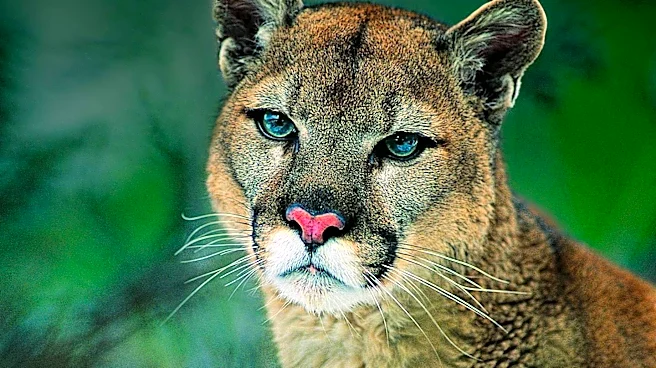
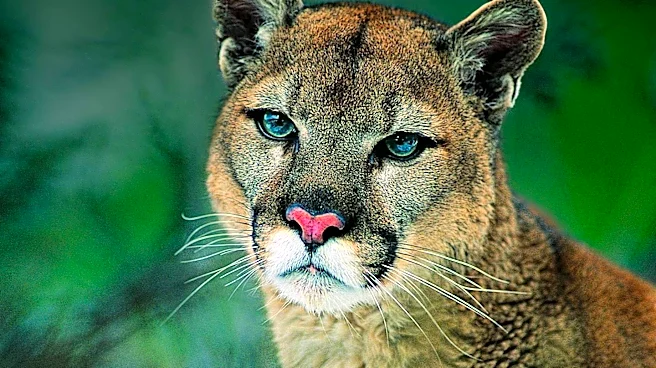
A mountain lion was sighted in San Francisco's Golden Gate Park over the Labor Day weekend, prompting local officials to respond and ensure public safety. The animal was initially spotted by a resident walking their dog, climbing a tree near Baker Street
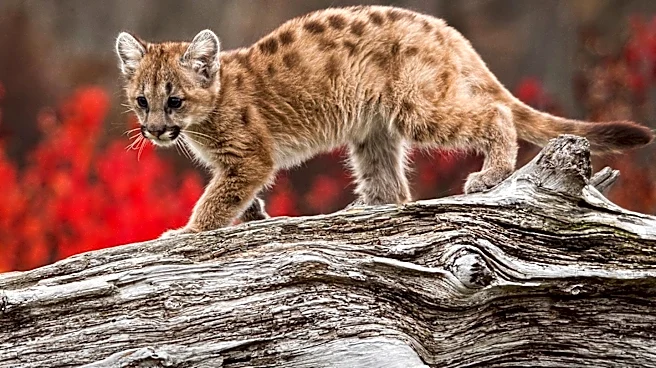
and Fell Street in the park's panhandle area. Animal Care and Control officers, along with San Francisco Recreation and Park Rangers and California Department of Fish and Wildlife officials, arrived on the scene. Following the recommendation of a California Department of Fish and Wildlife biologist, authorities maintained a quiet environment to allow the mountain lion to leave on its own. The animal was later seen moving west through Golden Gate Park towards the coastline, which was considered the 'best case scenario' by officials, as it allowed the mountain lion to depart without intervention like tranquilization. Mountain lions commonly travel into San Francisco from the South Bay, often young animals seeking new territory.
Why It's Important?
The presence of a mountain lion in a densely populated urban park like Golden Gate Park highlights the increasing interface between urban development and wildlife habitats. This event underscores the need for effective wildlife management strategies and public awareness campaigns in areas where human and animal populations overlap. While mountain lion sightings in San Francisco are not uncommon, their appearance in central park areas can cause public concern and necessitate a coordinated response from multiple city and state agencies. The decision to allow the animal to leave naturally, rather than intervening, reflects a modern approach to wildlife management that prioritizes minimal human interference when possible, aiming to reduce stress on the animal and potential risks to responders. This incident also serves as a reminder for urban residents to be aware of their surroundings and the potential for wildlife encounters, even in seemingly urban environments.
What's Next?
While the mountain lion was last seen heading towards San Francisco's coastline, its current whereabouts remain unknown, and it is unclear if it is still in the area. The California Department of Fish and Wildlife has not received any reports of human-mountain lion conflict related to this animal. Officials will likely continue to monitor for further sightings and educate the public on how to react if they encounter a mountain lion. This incident may also prompt discussions among city planners and wildlife experts about urban planning that considers wildlife corridors and minimizes human-wildlife conflict. Public education efforts will likely emphasize that mountain lions are generally wary of humans and prefer to avoid populated areas, but that vigilance is still necessary.
Beyond the Headlines
The appearance of a mountain lion in Golden Gate Park touches upon broader ecological and ethical considerations. As urban areas expand, natural habitats shrink, forcing wildlife into closer proximity with human populations. This creates a complex challenge for conservationists and urban planners, who must balance human safety with the preservation of biodiversity. The incident also raises questions about the long-term viability of wildlife populations in fragmented habitats and the need for connected natural spaces. Ethically, the decision to allow the mountain lion to leave on its own reflects a growing understanding of animal behavior and a preference for non-invasive management techniques, recognizing the inherent value of wildlife. This event serves as a microcosm of the larger global challenge of coexisting with nature in an increasingly urbanized world, prompting reflection on how cities can better integrate with and protect their surrounding ecosystems.