








What's Happening?
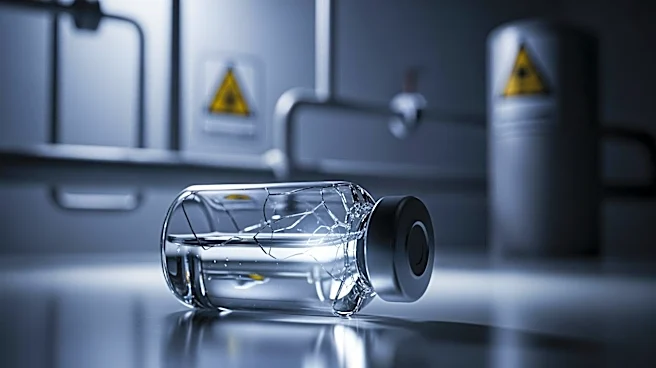
In Longview, Washington, a catastrophic chemical spill at the Nippon Dynawave paper and pulp mill resulted in the deaths of 11 workers and injuries to eight others, including a firefighter. The spill involved a highly corrosive chemical known as 'white
liquor,' which appeared black and inky and emitted a rotten egg smell. Despite no air quality violations reported by the Environmental Protection Agency, the spill had severe environmental impacts, killing over 2,200 fish in nearby waterways. District Manager Amy Blain utilized every available water source to dilute the spill and prevent further contamination. The incident has prompted calls for improved safety measures and infrastructure upgrades to prevent future disasters.
Why It's Important?
The Longview chemical spill underscores the critical need for stringent safety protocols in industrial operations, particularly those involving hazardous materials. The disaster not only resulted in tragic loss of life but also highlighted vulnerabilities in existing infrastructure and emergency response systems. The environmental damage, including the death of thousands of fish, raises concerns about the ecological impact of industrial accidents. The incident has sparked discussions on regulatory reforms and the implementation of new safety measures to protect both human and environmental health. Stakeholders, including local officials and environmental agencies, are advocating for policy changes to prevent similar occurrences in the future.
What's Next?
In response to the disaster, District Manager Amy Blain is focusing on repairing and upgrading the mechanical systems affected by the spill. She is working to replace damaged pumps and motors before the onset of fall rains. Blain has also submitted invoices to Nippon Dynawave for reimbursement of damages and is advocating for new industrial policies to prevent future spills. With support from state officials, including Governor Bob Ferguson, there is a push for regulatory changes that would require containment measures for hazardous chemicals. These efforts aim to enhance safety and prevent similar incidents in the future.
Beyond the Headlines
The Longview chemical spill highlights broader issues related to industrial safety and environmental protection. The incident serves as a reminder of the potential risks associated with aging infrastructure and the need for comprehensive regulatory oversight. It also raises questions about the adequacy of current safety standards and the regulation of chemicals used in industrial processes. The disaster could lead to increased scrutiny of industrial operations and a reevaluation of safety protocols to ensure the protection of both workers and the environment.