



What's Happening?
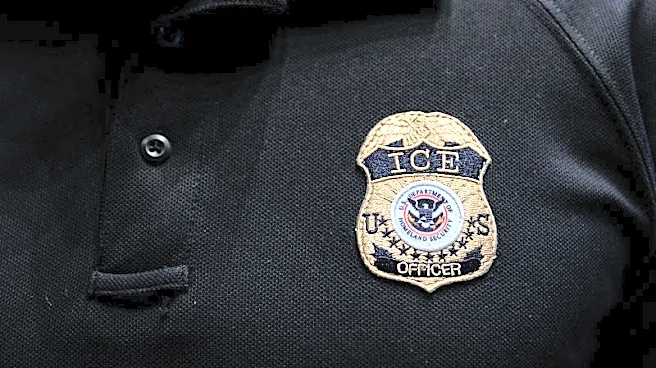
US Representative Chellie Pingree stated that the man targeted by ICE agents in Biddeford, Maine, when Johan Sebastián Durán Guerrero was fatally shot last month, did not have a final removal order. This contradicts the Department of Homeland Security's
(DHS) previous account, which claimed ICE was conducting "targeted surveillance on the last known address of an illegal alien with a final order of removal." Pingree revealed that the apparent target was Durán Guerrero's roommate, who owned the car Durán Guerrero was driving. She emphasized that neither Durán Guerrero nor his roommate had final removal orders, raising questions about the legality of the attempted stop. Durán Guerrero, a Colombian native, had a pending asylum case and a valid work permit, according to Sue Roche, executive director of the Immigrant Legal Advocacy Project. The Maine Attorney General’s Office is investigating the shooting, but federal officials have provided minimal additional information to the public or the family.
Why It's Important?
This development is significant as it challenges the official narrative provided by a federal agency regarding a fatal incident involving an ICE officer. The discrepancy in information raises serious concerns about transparency, accountability, and the justification for ICE operations. If the targeted individual did not have a final removal order, it could imply a lack of due process or an overreach of authority, potentially leading to legal and ethical challenges for DHS. The fact that Durán Guerrero had a pending asylum case and a valid work permit further complicates the situation, suggesting that an individual with legal protections was caught in a deadly operation. This incident could fuel public debate on immigration enforcement tactics, the use of deadly force by federal agents, and the need for greater oversight and clear guidelines for such operations. It also highlights the emotional and social impact on immigrant communities, fostering fear and uncertainty.
What's Next?
The Maine Attorney General’s Office will continue its investigation into the shooting, with increased scrutiny given the new information provided by Representative Pingree. There will likely be continued pressure from lawmakers, civil rights organizations, and the public for DHS to provide a more detailed and transparent account of the operation, including identifying the actual target and explaining the rationale behind the attempted stop. The family of Johan Sebastián Durán Guerrero, represented by attorney Ben Gideon, is expected to pursue legal avenues to seek justice and accountability. This case could lead to calls for reforms in ICE's operational procedures, training, and accountability mechanisms, potentially including requirements for body cameras and clearer identification protocols for agents. The incident may also influence future legislative efforts related to immigration enforcement and the rights of individuals with pending asylum cases.
Beyond the Headlines
The Biddeford shooting exposes deeper issues within the U.S. immigration system and law enforcement. The revelation that the intended target lacked a final removal order, coupled with the victim's legal status, underscores the complexities and potential pitfalls of current immigration policies. It brings to light the human cost of enforcement actions and the vulnerability of individuals navigating a convoluted legal landscape. The incident also highlights the tension between federal immigration mandates and local community concerns, as evidenced by Maine Governor Janet Mills' criticism of ICE tactics. Furthermore, the case of agent David Brouillette, with his documented history of alleged abuse and mental health struggles, raises questions about the thoroughness of vetting processes for federal agents entrusted with significant power. This event could serve as a catalyst for a broader re-evaluation of how immigration laws are enforced and the ethical responsibilities of the agencies involved.