




What's Happening?
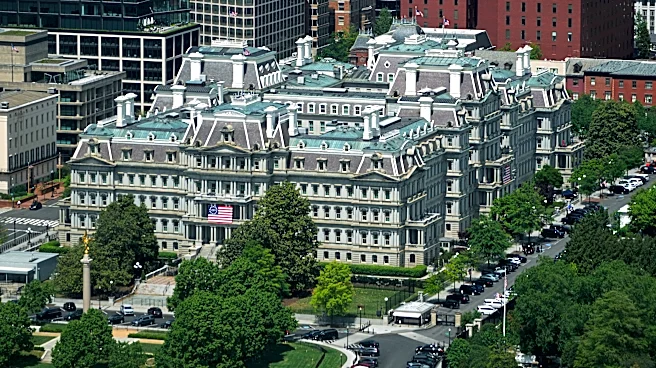
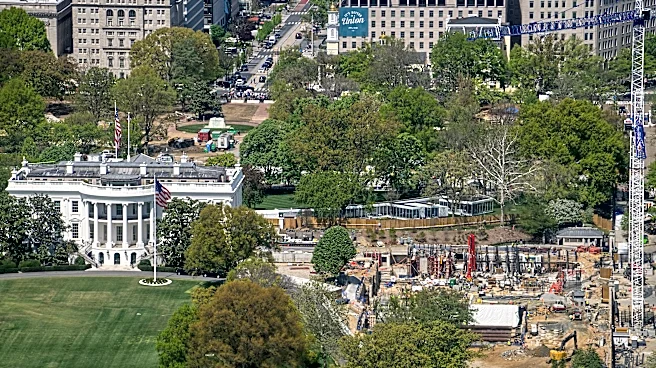
President Donald Trump's administration is undertaking a $400 million renovation of the White House East Wing, which includes the construction of a 90,000-square-foot ballroom. As part of this project, 30,000 cubic yards of rubble from the demolition
have been transported to East Potomac Golf Links, a public golf course in Washington, D.C. Recent reports indicate that the debris contains toxic metals such as lead and chromium. The National Park Service, responsible for overseeing federal land, has moved over 2,000 truckloads of soil to the golf course. Despite assurances from the Department of the Interior that the soil transfer met legal safety standards, preservation advocates have raised concerns about the potential hazards. The DC Preservation League and local residents have filed legal actions to halt further renovations, citing risks to public safety and historical preservation.
Why It's Important?
The situation highlights the tension between development projects and environmental safety, particularly in public spaces. The presence of toxic metals in the debris raises significant health and environmental concerns for the community and users of the golf course. The legal challenges underscore the importance of thorough environmental assessments and public dialogue in government-led projects. The controversy also reflects broader issues of transparency and accountability in the administration's handling of public land and resources. The outcome of this situation could set precedents for how similar projects are managed in the future, impacting public policy and environmental regulations.
What's Next?
The legal proceedings initiated by preservation groups are ongoing, with a recent court decision preventing the cutting of more than 10 trees at the golf course without prior notice. The administration's plans for further renovations at the golf course and other public spaces in Washington, D.C., remain under scrutiny. Stakeholders, including environmental groups and local residents, are likely to continue advocating for more stringent oversight and public involvement in the decision-making process. The administration may face increased pressure to address environmental and safety concerns transparently.
Beyond the Headlines
This development raises questions about the ethical implications of using public spaces for private or exclusive purposes. The transformation of historically significant sites into potentially restricted areas could limit public access and alter the cultural landscape of the nation's capital. The administration's approach to urban development and historical preservation may influence future policies and public perceptions of government stewardship of national landmarks.