






What's Happening?
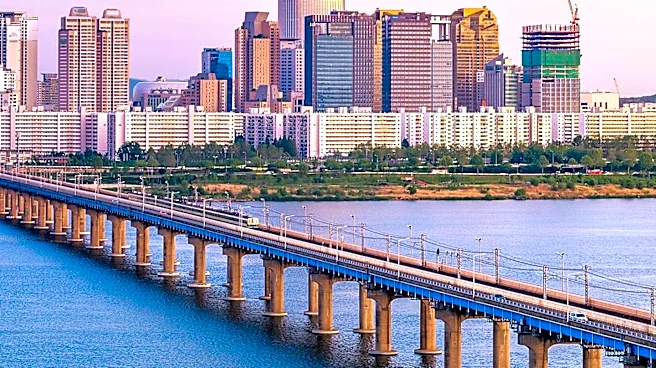
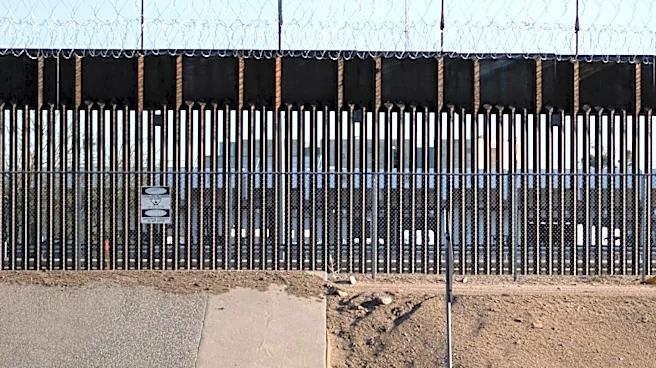
North Korea has been actively fortifying its side of the Demilitarized Zone (DMZ) since 2024, as revealed by satellite imagery analyzed by experts. The construction includes tactical roads, bridges, and barriers, which are reshaping the northern side of the DMZ.
These developments are seen as part of North Korean leader Kim Jong Un's strategy, which views the two Koreas as hostile states. The South Korean military perceives these activities as weakening the DMZ's function as a buffer zone, potentially increasing the risk of accidental clashes. The United Nations Command, however, maintains that these constructions do not immediately violate the Armistice Agreement unless direct military actions occur.
Why It's Important?
The fortification of the DMZ by North Korea is significant as it challenges the longstanding role of the DMZ as a buffer zone between the two Koreas. This development could escalate tensions on the Korean Peninsula, affecting regional stability and security. The construction of roads and bridges enhances North Korea's military mobility, potentially altering the balance of power in the region. The erosion of the DMZ's buffer function raises concerns about the possibility of accidental military engagements, which could have broader implications for international relations and peace efforts in the region.
What's Next?
Close monitoring and preparedness by South Korea's military are crucial as the situation evolves. The international community, including the United Nations, may need to engage in diplomatic efforts to address the rising tensions and ensure that the Armistice Agreement is upheld. Further fortifications by North Korea could prompt responses from South Korea and its allies, potentially leading to increased military presence or diplomatic negotiations to de-escalate the situation.
Beyond the Headlines
The fortification activities also have environmental implications, as the construction has led to significant land use changes within the DMZ, affecting its ecological reserve status. The transformation of forested areas into grasslands due to military infrastructure development highlights the environmental cost of geopolitical tensions. This aspect may draw attention from environmental groups and influence future discussions on the preservation of the DMZ's natural environment.