





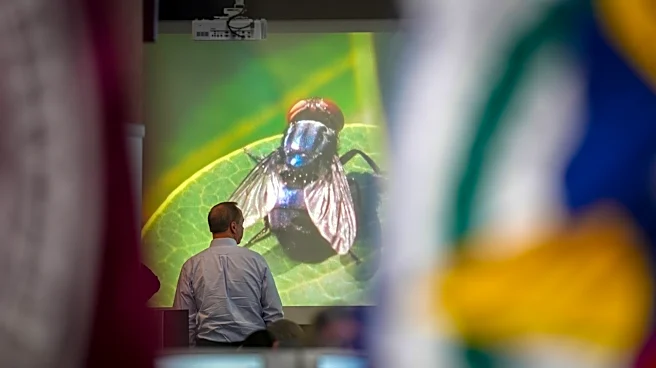
What's Happening?
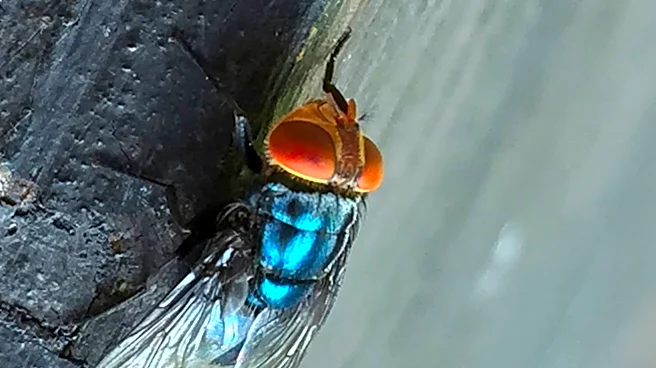
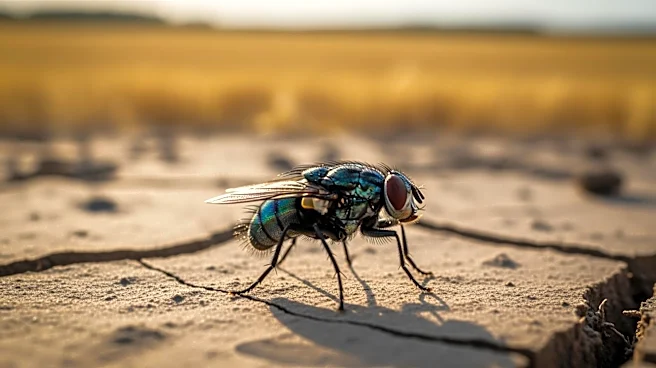
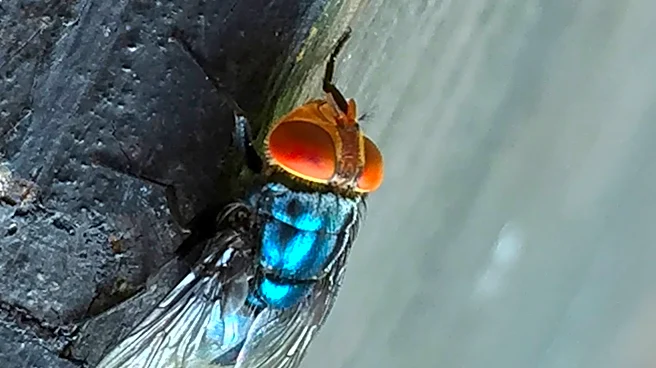
The recent detection of the New World Screwworm in Texas has prompted a coordinated response from various agriculture leaders and organizations. Florida Commissioner of Agriculture Wilton Simpson emphasized the state's proactive measures and the need
for a unified response involving government, agriculture communities, and the public. Similarly, Georgia Commissioner of Agriculture Tyler Harper highlighted ongoing collaboration with industry partners and federal agencies to protect Georgia's livestock industry. The National Cattlemen’s Beef Association, led by CEO Colin Woodall, has been actively working to combat the screwworm threat, focusing on safeguarding American cattle producers. These efforts are part of a broader strategy to prevent potential agricultural disruptions caused by the screwworm, which poses a significant threat to livestock.
Why It's Important?
The emergence of the New World Screwworm in Texas is a critical issue for the U.S. livestock industry, as it threatens the health and productivity of cattle and other livestock. The screwworm can cause severe damage to animals, leading to economic losses for farmers and ranchers. The coordinated response from state agriculture departments and national organizations underscores the importance of protecting the agricultural economy, which is vital for food security and economic stability. The proactive measures and collaboration among stakeholders aim to mitigate the impact of this pest and ensure the continued viability of the livestock sector, which is a significant contributor to the U.S. economy.
What's Next?
Moving forward, agriculture leaders and organizations will continue to monitor the situation closely and implement necessary measures to control the spread of the New World Screwworm. This includes increased surveillance, public awareness campaigns, and potential interventions such as the release of sterile flies to curb the pest population. The ongoing collaboration between state and federal agencies, along with industry partners, will be crucial in managing the threat and preventing further outbreaks. Stakeholders will likely assess the effectiveness of current strategies and adjust their approaches as needed to protect the livestock industry and minimize economic impacts.