







What's Happening?
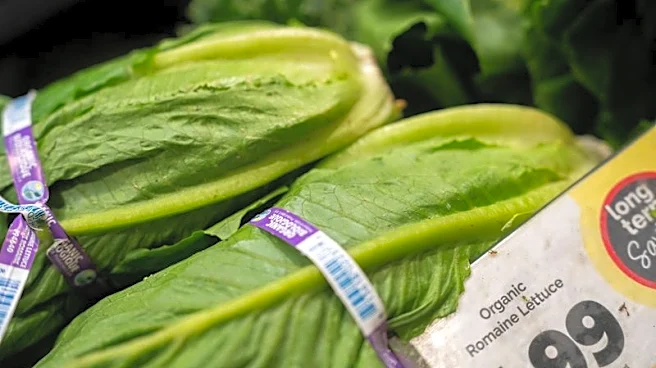
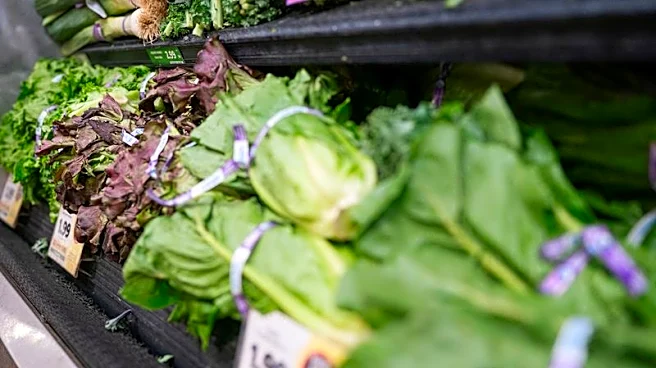
An unprecedented outbreak of cyclosporiasis, a parasitic infection linked to lettuce, has affected over 10,000 Americans, with an additional 12,000 cases pending verification. The outbreak, primarily traced to iceberg lettuce from Taylor Farms in central
Mexico, has led to significant public concern and a decline in lettuce consumption. Michigan's health department has reported 12,485 cases since May 1, including two deaths. The department has now lifted the precautionary recommendation to avoid bagged salad mixes, stating that the affected produce is likely no longer available. Despite this, public trust remains low, and experts advise continued caution.
Why It's Important?
The outbreak highlights vulnerabilities in the food supply chain and the challenges of tracking foodborne illnesses. It underscores the importance of robust food safety measures and the need for effective communication between health authorities and the public. The economic impact is significant, affecting both consumers and businesses in the food industry. The situation also raises questions about the adequacy of current food monitoring systems, especially following recent budget cuts. The outbreak serves as a reminder of the ongoing risks associated with global food sourcing and the need for stringent safety protocols.
What's Next?
As health authorities continue to investigate the outbreak, consumers are advised to exercise caution and follow food safety practices, such as washing produce thoroughly. The food industry may face increased scrutiny and pressure to enhance safety measures. Public health agencies will likely review and possibly revise their monitoring and response strategies to prevent future outbreaks. The situation may also prompt discussions on policy changes to improve food safety standards and funding for monitoring systems.