


What's Happening?
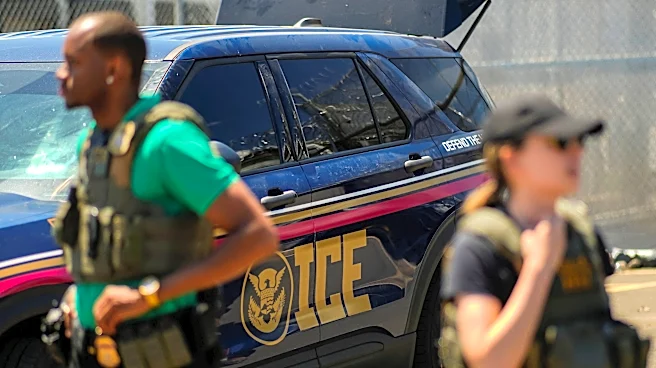
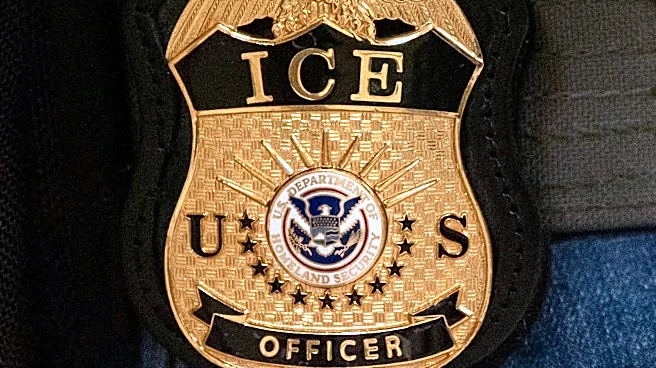
Wilber Rafael Garces Perez, a 28-year-old Venezuelan national, claims he is being held at a U.S. Immigration and Customs Enforcement (ICE) center in South Texas with a bullet lodged in his back. According to Perez, he was shot by a federal immigration
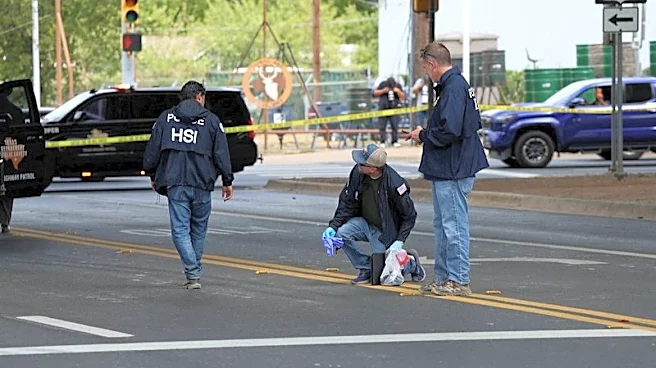
agent during an incident in Austin while working as a DoorDash delivery driver. He alleges that agents struck his car, did not identify themselves, and did not use flashing lights or a siren before he was shot while still inside his vehicle. Perez's attorney, Kate Lincoln-Goldfinch, stated that her client is in pain, continues to bleed, and is not receiving adequate medical care, being forced to sleep on the floor. He was reportedly discharged from the hospital within four hours of arrival, with a doctor allegedly stating that ICE agents were in a hurry to transfer him. Austin police, however, claim Perez fled from agents, and the U.S. Department of Homeland Security stated he was in the country illegally with a final removal order, but did not provide details of the shooting. A New York Times report, citing unnamed sources, suggests agents identified themselves and attempted to detain Perez after checking his license plate, leading to a chase, collision, and the shooting.
Why It's Important?
This incident highlights critical issues surrounding immigration enforcement, the use of force by federal agents, and the medical treatment of detainees in U.S. custody. The conflicting accounts from Perez and law enforcement raise questions about transparency and accountability in federal operations. If Perez's allegations of being shot and subsequently denied proper medical care while in detention are true, it could indicate potential violations of human rights and established protocols for handling injured individuals. The case also draws attention to the broader debate about the treatment of undocumented immigrants and the conditions within ICE detention facilities. The involvement of a DoorDash driver in such an incident could also spark discussions within the gig economy regarding the safety and legal protections for its workers, particularly those who may be undocumented. The differing narratives underscore the need for thorough and impartial investigations into incidents involving federal agents and civilians.
What's Next?
Perez's attorney, Kate Lincoln-Goldfinch, is actively representing him and has brought his case to public attention through a press conference. It is expected that she will continue to advocate for his medical treatment and potentially pursue legal action regarding the shooting and his detention conditions. A federal investigation into the incident is likely underway, given the involvement of federal agents and the serious nature of the allegations. ICE and the Department of Homeland Security have not yet responded to journalists' requests for comment, but they may issue official statements or provide further details as the situation unfolds. The outcome of this case could influence policies regarding the use of force by immigration agents, medical care in detention centers, and the process for detaining individuals with deportation orders. Public and media scrutiny will likely continue, pressing for transparency and accountability from the involved agencies.
Beyond the Headlines
The incident with Wilber Rafael Garces Perez touches upon deeper societal and ethical considerations regarding the balance between national security, immigration enforcement, and individual rights. The alleged lack of proper medical care for a detainee with a bullet wound raises ethical questions about the responsibility of the state towards individuals in its custody, regardless of their immigration status. It also brings to the forefront the challenges faced by undocumented individuals in the U.S., who may be hesitant to report incidents or seek help due to fear of deportation. The conflicting narratives surrounding the event highlight a broader issue of trust between communities and law enforcement, particularly federal agencies. This case could fuel ongoing debates about immigration reform, police accountability, and the need for independent oversight mechanisms to ensure that federal agents adhere to legal and ethical standards in their interactions with the public. The incident also underscores the vulnerability of gig economy workers, many of whom are immigrants, to various risks without comprehensive protections.