

What's Happening?
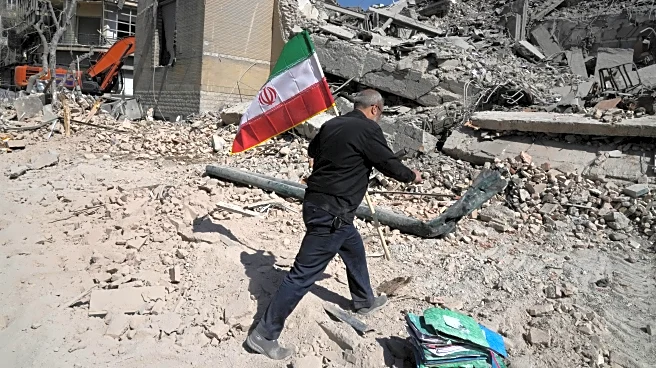
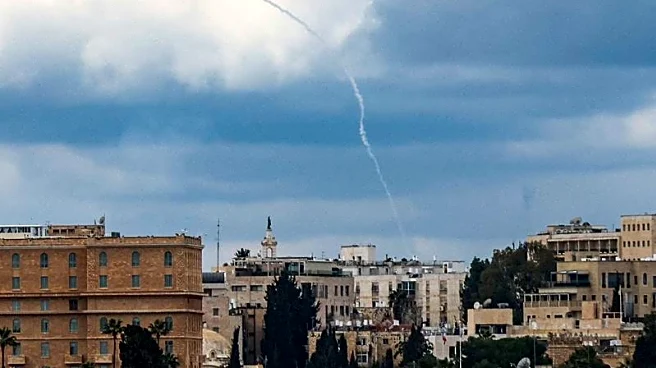
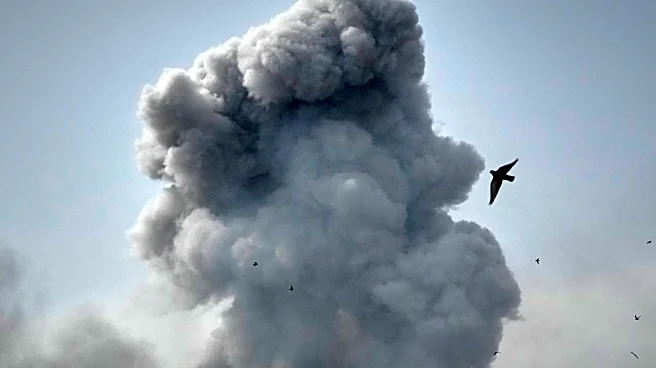
The U.S.-Israeli military campaign against Iran has intensified, with heavy bombing reported in Tehran as the conflict enters its sixth day. Residents describe the situation as dire, with continuous airstrikes targeting Iranian government sites. Iran has vowed
retaliation following a U.S. attack on an Iranian warship, which resulted in significant casualties. The conflict has disrupted global oil and gas supplies, affecting international markets. The death of Iran's Supreme Leader Ali Khamenei has further complicated the situation, with plans for his successor temporarily postponed due to security concerns.
Why It's Important?
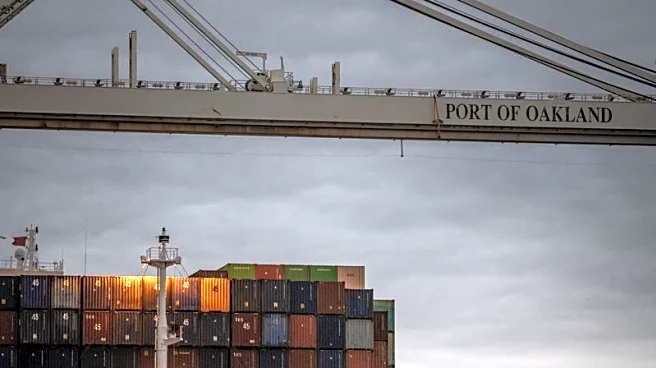
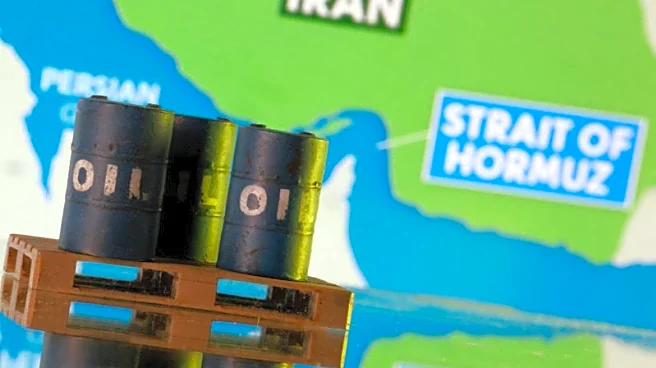
The escalation of military actions in Iran poses significant risks to regional stability and global economic interests. The disruption of oil and gas supplies through the Strait of Hormuz could have far-reaching economic consequences, affecting energy prices worldwide. The conflict also raises concerns about potential retaliatory actions by Iran, which could further destabilize the Middle East. The situation underscores the complexities of international military interventions and their potential to trigger broader geopolitical tensions.
What's Next?
As the conflict continues, there is potential for further escalation, particularly if Iran follows through on its threats of retaliation. The international community may seek diplomatic solutions to de-escalate tensions and prevent further economic disruptions. The appointment of a new Iranian Supreme Leader could influence the country's response and future policies. Additionally, ongoing military actions may prompt discussions within the UN and other international bodies regarding conflict resolution and the enforcement of international law.