






What's Happening?
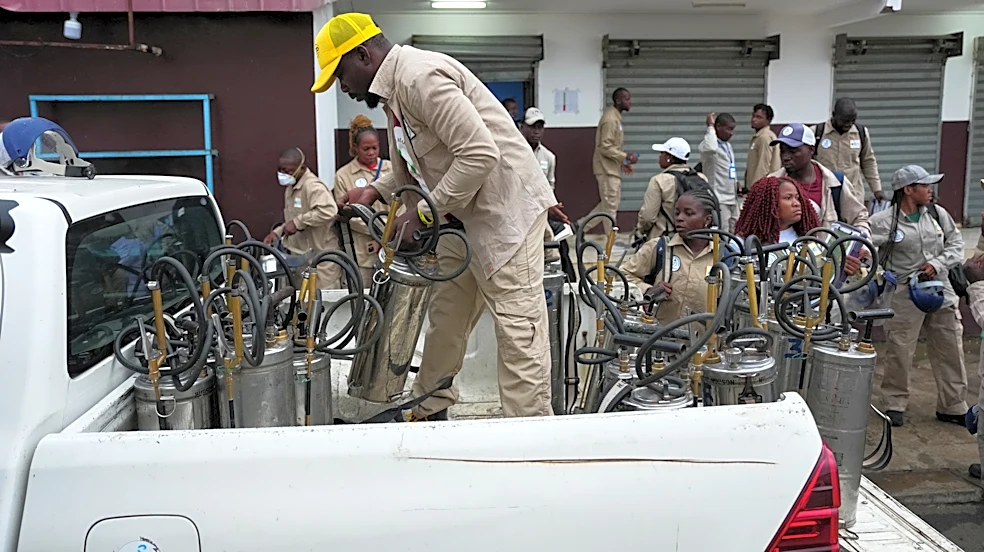
Hillsborough County Mosquito Management Services is conducting aerial treatments in East Tampa, East Lake, Bloomingdale, and Palm River due to detected dengue fever virus activity in local mosquito populations. Helicopters are applying liquid Bti (Bacillus
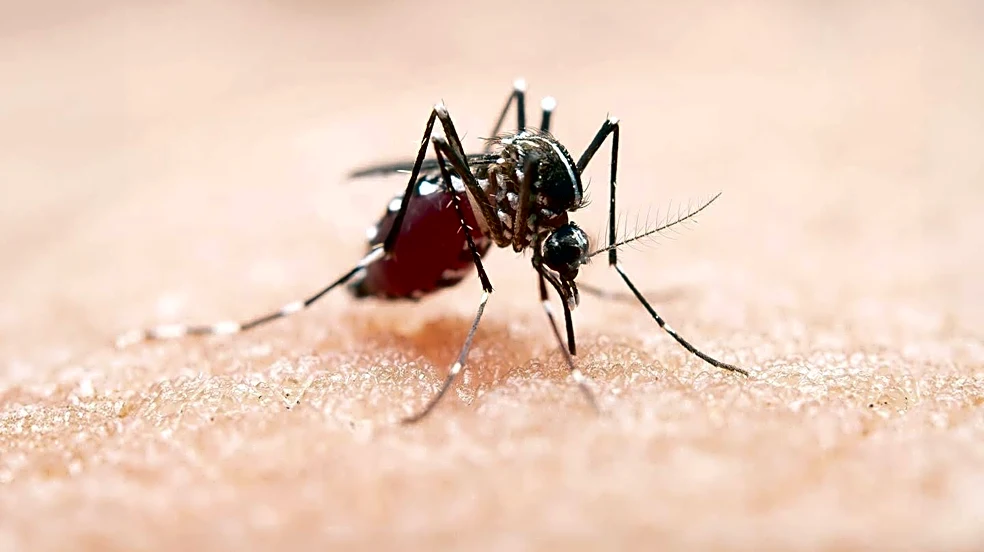
thuringiensis israelensis), a naturally occurring bacterium, to standing water during daytime hours from October 19 to October 23. This larvicide specifically targets mosquito larvae, preventing them from developing into adult mosquitoes, and is considered harmless to humans, pets, fish, birds, and beneficial insects. The Florida Department of Health in Hillsborough County is collaborating with Mosquito Management on surveillance, education, and treatment efforts. Residents are urged to take personal protective measures, including wearing long-sleeved clothing, using insect repellent, and eliminating standing water around their properties to reduce mosquito breeding sites.
Why It's Important?
The proactive aerial treatment by Hillsborough County is crucial for public health, directly addressing the rising threat of dengue fever. Dengue, a mosquito-borne illness, can cause severe symptoms and, in some cases, be life-threatening. The use of Bti is significant as it offers an environmentally friendly approach to pest control, minimizing harm to the ecosystem while effectively targeting the disease vector. This intervention aims to curb the spread of the virus within the community, protecting residents from infection and reducing the burden on local healthcare systems. The collaboration between county services and the Florida Department of Health underscores a coordinated public health response to emerging infectious disease threats, highlighting the importance of integrated pest management strategies in urban and suburban areas.
What's Next?
Hillsborough County residents in the affected areas can expect to see low-flying helicopters conducting treatments throughout the week. Mosquito Management Services will continue to monitor mosquito populations and dengue virus activity through ongoing surveillance. Residents can stay informed about localized aerial treatments by checking HCFL.gov/MosquitoOperations and signing up for notifications. The Florida Department of Health in Hillsborough County will persist in its efforts to investigate cases, provide education, and collaborate with partners to prevent further transmission. Continued public engagement in eliminating standing water and using personal protective measures will be vital in supporting these efforts and mitigating the risk of dengue fever in the long term.
Beyond the Headlines
The current dengue fever outbreak in Hillsborough County highlights broader challenges in public health and environmental management, particularly in regions susceptible to mosquito-borne diseases. The reliance on aerial larvicide application, while effective, points to the continuous battle against evolving disease vectors and the need for sustainable, long-term solutions. This situation also underscores the critical role of community participation in disease prevention, as individual actions like eliminating standing water significantly impact the overall success of control programs. Furthermore, the incident may prompt discussions on climate change's potential influence on mosquito habitats and the geographic spread of diseases, necessitating adaptive public health strategies and increased investment in research and development for novel vector control methods.