

What's Happening?
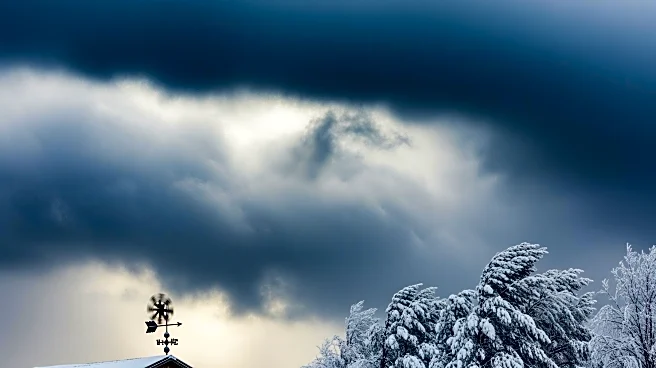
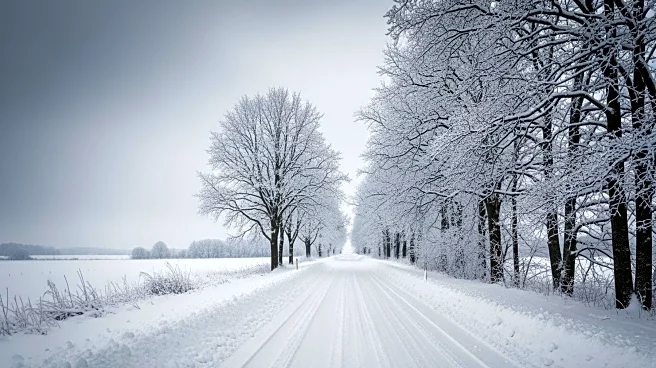
A severe weather system has impacted the Midwest and East Coast of the United States, bringing blizzards, heavy rain, and high winds. The Upper Midwest and Great Lakes regions have experienced blizzard conditions, with parts of Wisconsin and Michigan
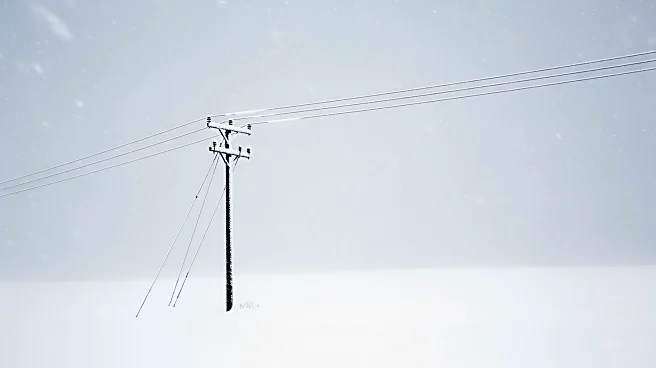
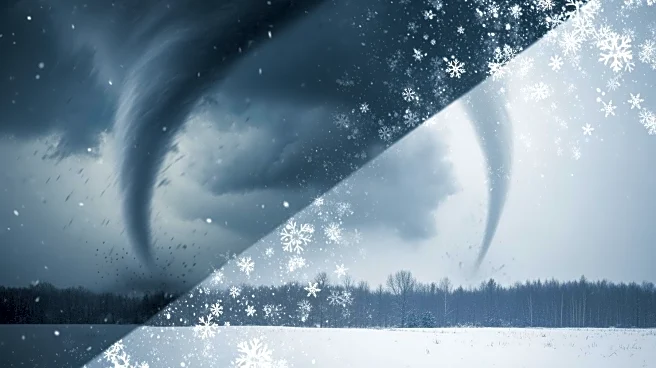
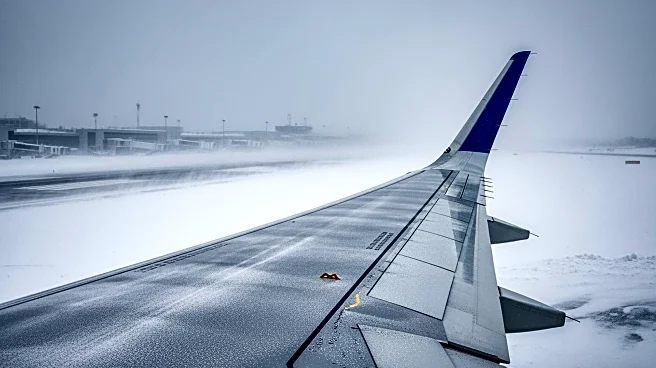
receiving several feet of snow. This weather system has moved towards the East Coast, causing heavy rain and prompting tornado warnings. The extreme weather has led to significant disruptions, including the cancellation or delay of nearly 13,000 flights across the U.S. and power outages affecting over half a million homes and businesses, primarily in Michigan, Pennsylvania, New York, and Massachusetts. The National Weather Service has issued various weather advisories, affecting more than 200 million people nationwide.
Why It's Important?
The severe weather conditions have significant implications for transportation, energy, and public safety across the affected regions. The widespread flight cancellations and delays have disrupted travel plans for thousands, impacting both personal and business travel. Power outages pose challenges for residents and businesses, potentially affecting heating and other essential services. The extreme weather highlights the vulnerability of infrastructure to climate-related events, emphasizing the need for improved resilience and preparedness. Additionally, the economic impact of such disruptions can be substantial, affecting local economies and potentially leading to increased costs for recovery and repair efforts.
What's Next?
As the storm system continues to move, further disruptions are expected, particularly in the East Coast regions. Authorities are likely to focus on restoring power and clearing transportation routes. Emergency services and local governments will need to assess damage and provide support to affected communities. The ongoing weather conditions may prompt further advisories and warnings, requiring continued vigilance from residents and travelers. Long-term, there may be discussions on enhancing infrastructure resilience to better withstand such extreme weather events in the future.