




What's Happening?
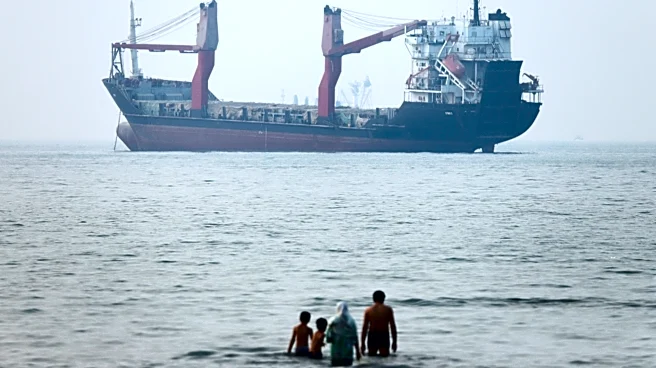
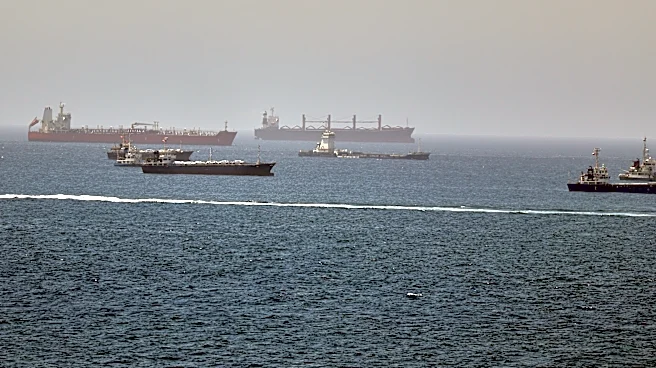
Oman has proposed a payment structure for the Strait of Hormuz, modeled after the Strait of Malacca, as part of ongoing peace talks between the U.S. and Iran. The proposal aims to address the administration of the strait, a major point of contention in negotiations.
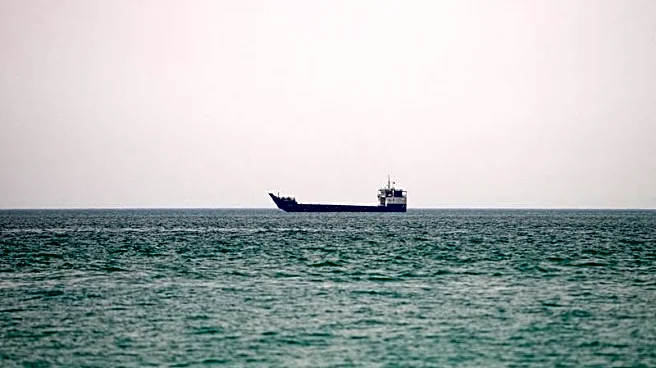
Iran retains leverage by controlling the strait, through which a significant portion of the world's oil passes. Traffic has been reduced due to fears of Iranian attacks. The U.S. and Iran are negotiating under a memorandum of understanding, with disagreements over potential fees for passage. Oman, neutral in the conflict, is facilitating discussions.
Why It's Important?
The proposal to use the Strait of Malacca as a model for the Strait of Hormuz could lead to a more stable and cooperative management of this critical waterway. Such an arrangement could reduce tensions and ensure the free flow of oil, benefiting global energy markets and reducing geopolitical risks. The involvement of Oman as a mediator highlights the importance of regional cooperation in resolving international disputes. The outcome of these negotiations could set a precedent for managing other strategic chokepoints worldwide.
Beyond the Headlines
The proposed model reflects a shift towards collaborative management of international waterways, emphasizing the importance of shared responsibility and mutual benefits. This approach could influence future negotiations over other strategic regions, promoting peace and stability. The situation also underscores the role of smaller, neutral countries like Oman in facilitating dialogue and bridging gaps between larger powers.