


What's Happening?
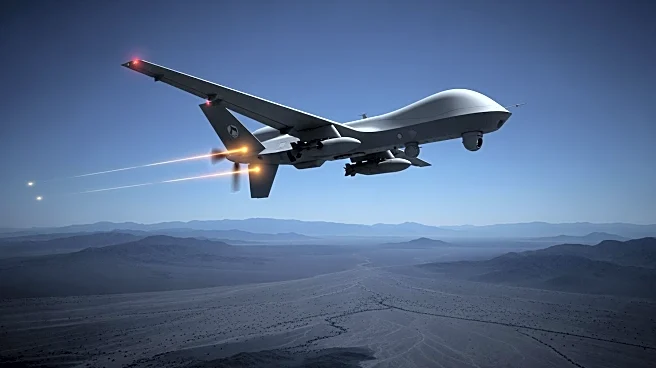
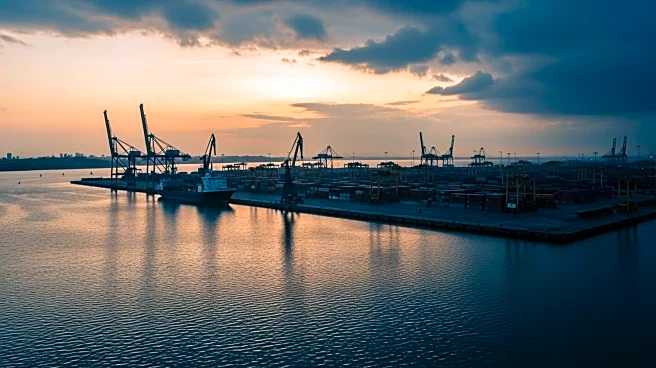
Saudi Arabia launched an airstrike on the Yemeni port city of Mukalla, targeting alleged weapons shipments from the UAE intended for separatist forces. This action marks a significant escalation in tensions between Saudi Arabia and the UAE, two key players
in the Gulf region. The Saudi Foreign Ministry emphasized that any threat to its national security is a red line, justifying the strike as a necessary measure. The UAE, however, denied the allegations, stating that the shipment was meant for its forces in Yemen. The incident underscores the diverging interests of the two nations in Yemen, despite their shared opposition to the Iranian-backed Houthis.
Why It's Important?
The airstrike highlights the growing rift between Saudi Arabia and the UAE, which could have broader implications for regional stability and the ongoing conflict in Yemen. As both countries are major players in the Gulf, their discord could affect alliances and power dynamics in the Middle East. The situation also complicates efforts to address the humanitarian crisis in Yemen, where millions are affected by the ongoing conflict. The U.S., which has strategic interests in the region, may need to navigate these tensions carefully to maintain its influence and support for peace efforts.
What's Next?
The escalation could lead to further military actions or diplomatic efforts to resolve the tensions. Saudi Arabia's demand for the UAE to withdraw its forces from Yemen within 24 hours indicates a potential for increased conflict if not addressed. The international community, including the U.S., may play a role in mediating the situation to prevent further destabilization. The outcome of these tensions could significantly impact the future of Yemen and the balance of power in the Gulf region.