


What's Happening?
China has condemned the killing of Iran's Supreme Leader Ayatollah Ali Khamenei, calling it a grave violation of Iran's sovereignty and security. This development comes as President Trump is scheduled to visit Beijing from March 31 to April 2, following
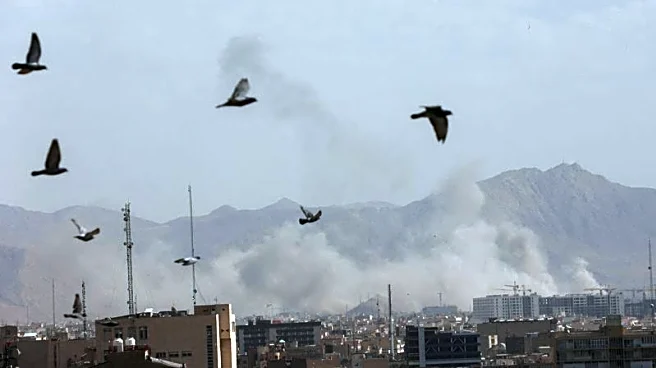
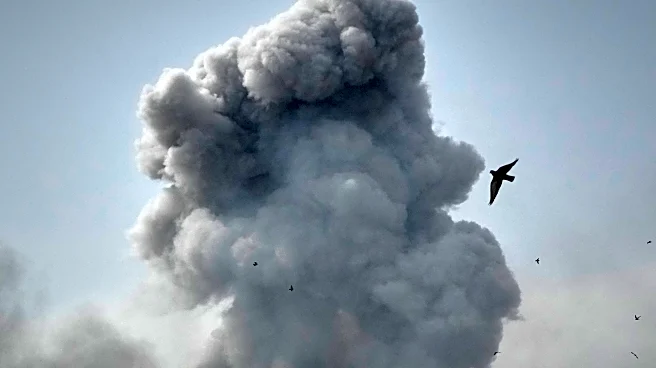
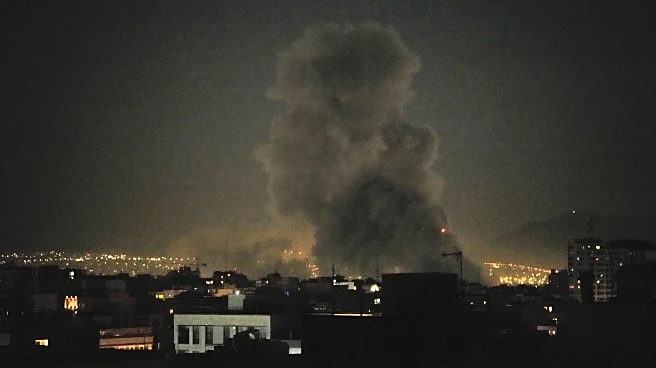
a fragile trade truce with China. However, Beijing has not yet confirmed the dates for this visit. The joint U.S.-Israel strikes on Iran, which resulted in Khamenei's death, have raised concerns about the potential impact on the planned visit. Analysts suggest that these actions could complicate the high-stakes trip, as China maintains relatively good relations with Iran. The situation has led to increased speculation about the possibility of delaying the trip, with some predicting that geopolitical tensions might outweigh trade discussions.
Why It's Important?
The killing of Iran's Supreme Leader and the subsequent condemnation by China highlight the fragile nature of international relations and the potential for geopolitical tensions to impact diplomatic engagements. President Trump's planned visit to China is significant as it marks the first trip by a sitting U.S. president since 2017, following a trade truce reached in late October. The uncertainty surrounding the visit underscores the delicate balance between maintaining diplomatic relations and addressing security concerns. The situation could affect U.S.-China relations, particularly in the context of ongoing trade negotiations and the broader geopolitical landscape in the Middle East.
What's Next?
The next steps involve monitoring China's official response and any potential changes to President Trump's travel plans. The U.S. administration may need to navigate the diplomatic fallout from the strikes on Iran while ensuring that trade discussions with China remain on track. Stakeholders, including political leaders and businesses, will be closely watching for any shifts in the diplomatic agenda or changes in the scheduled visit. The situation also calls for careful management of international relations to prevent further escalation of tensions in the Middle East.