







What's Happening?
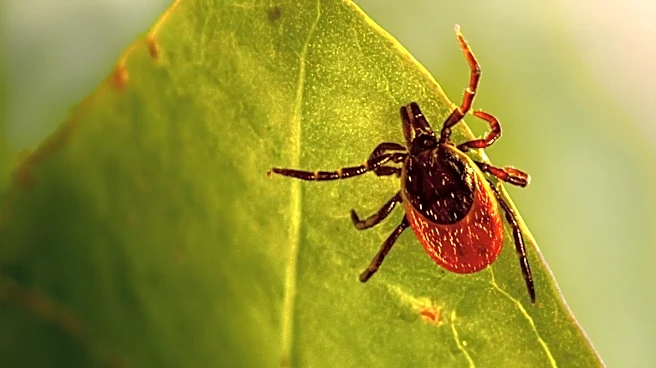
Homeowners can significantly reduce the presence of ticks around their properties by implementing specific landscape maintenance practices, particularly around stone walls. Clearing leaf litter, brush, and tall grass at the base of stone walls and along
property edges creates a less favorable environment for ticks, which are vulnerable to drying out and prefer shaded, humid areas. This approach aligns with Integrated Pest Management (IPM) principles, which advocate for using multiple sensible tools to manage pests. However, experts emphasize that while these cleanup efforts improve habitat conditions, they do not guarantee a tick-free yard. Ticks can be reintroduced to a property by wildlife such as deer, mice, and other animals, as well as pets, which can carry ticks from surrounding untreated areas. Therefore, landscape modifications are considered a crucial component of tick management but should be combined with ongoing professional tick control programs for comprehensive protection.
Why It's Important?
The persistence of ticks, even after thorough landscape cleanup, highlights the ongoing challenge of managing tick-borne illnesses in the U.S. States like Massachusetts and New Hampshire, where stone walls are common, face continuous exposure risks. The understanding that ticks can be reintroduced by hosts underscores the need for a multi-faceted approach to tick control, impacting public health strategies and homeowner responsibilities. Relying solely on landscape modifications can create a false sense of security, potentially leading to increased exposure to tick-borne diseases such as Lyme disease, which is on the rise in regions like Ontario County. This information is critical for homeowners, landscapers, and public health officials in developing effective and realistic tick management plans, emphasizing that environmental modifications are a supportive measure rather than a standalone solution.
What's Next?
Homeowners are advised to continue regular landscape maintenance throughout the year, not just during specific seasons, to prevent the re-establishment of tick-favorable habitats. This includes ongoing removal of leaf litter, trimming of tall grass, and clearing brush. Simultaneously, maintaining a consistent professional tick-control program is recommended to address ticks that may be reintroduced by wildlife or pets. Public health campaigns may further emphasize the importance of this integrated approach, educating residents on the limitations of habitat modification alone and the necessity of combining it with other control methods. Collaboration between homeowners and pest control professionals will be key in mitigating tick populations and reducing the incidence of tick-borne illnesses across affected regions.
Beyond the Headlines
The continuous reintroduction of ticks by wildlife points to a broader ecological challenge in managing vector-borne diseases. It highlights the interconnectedness of human habitats with natural ecosystems and the difficulty of creating impermeable barriers against disease vectors. This situation also raises questions about community-wide approaches to tick control, as individual property efforts can be undermined by conditions in neighboring areas or wildlife corridors. The emphasis on integrated pest management reflects a growing understanding that sustainable solutions often require a combination of environmental stewardship, targeted interventions, and ongoing vigilance, rather than relying on single-point solutions. This perspective is crucial for long-term public health strategies in areas where tick populations are endemic and expanding.