





What's Happening?
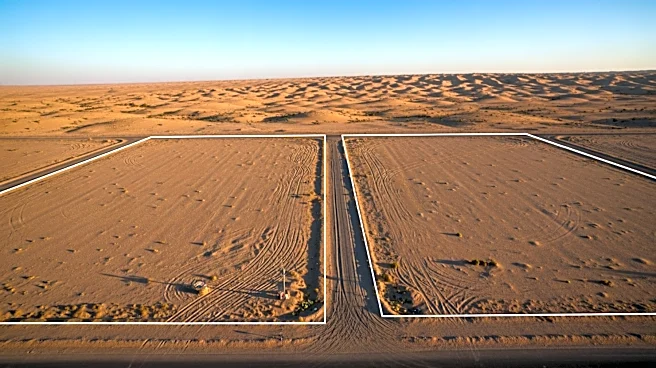
A man named Ismael Arvizu was arrested at an Imperial County Board of Supervisors meeting after expressing opposition to a proposed data center project. The arrest occurred during a contentious meeting where the board voted to approve a lot merger for
the development of a 950,000-square-foot data center. Arvizu was charged with trespassing, disturbing the peace, resisting arrest, and threatening a public official. The project, proposed by Imperial Valley Computer Manufacturing, has sparked significant debate due to concerns over its environmental and health impacts. The county exempted the project from a state environmental review, which has been a point of contention among residents. The meeting saw a heavy police presence, and several other residents were forced to leave. Nationwide, similar tensions have arisen over data center proposals, with reports of arrests and threats against council members supporting such projects.
Why It's Important?
The arrest and ongoing controversy highlight the growing national debate over the expansion of data centers, which are increasingly seen as critical infrastructure due to the rise of artificial intelligence. While these centers can generate significant revenue for local governments through taxes, they also pose challenges related to energy and water consumption. The backlash from communities reflects broader concerns about environmental impacts and the prioritization of corporate interests over local welfare. This situation underscores the need for transparent decision-making processes and community engagement in infrastructure projects. The incident in Imperial County is part of a larger pattern of resistance, with some communities successfully ousting officials who support data center developments.
What's Next?
The case against Ismael Arvizu has been submitted to the district attorney's office for review, which may lead to further legal proceedings. Meanwhile, the approved data center project in Imperial County is likely to face continued opposition from local residents and advocacy groups. The broader national debate on data centers may prompt legislative action, as seen in California where lawmakers are considering bills to impose stricter environmental regulations on such projects. Developers may need to address community concerns more effectively to avoid delays and cancellations. The situation could also influence future elections, as seen in Missouri where council members were replaced by candidates opposing data center projects.
Beyond the Headlines
The controversy over data centers raises important questions about the balance between technological advancement and environmental sustainability. As artificial intelligence and data processing demands grow, the need for data centers will likely increase, potentially exacerbating resource consumption issues. This situation highlights the ethical considerations of prioritizing technological infrastructure over environmental and community health. It also reflects broader societal tensions regarding corporate influence in local governance and the need for equitable economic development. The incident in Imperial County may serve as a catalyst for more robust community advocacy and policy reform efforts aimed at ensuring that technological progress does not come at the expense of public welfare.