







What's Happening?
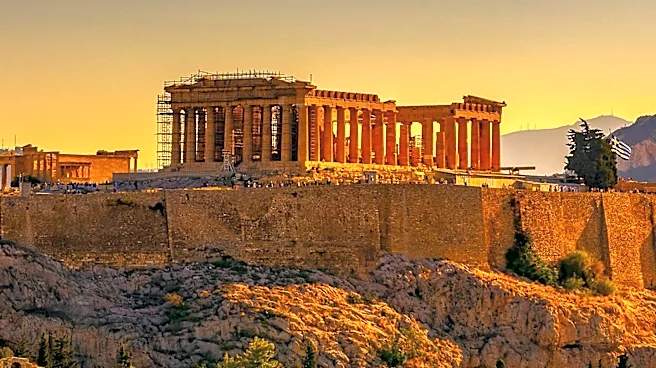
Visitors to the Acropolis in Athens, Greece, are being advised to adjust their touring schedules and habits due to increasingly frequent and intense heatwaves. Despina Savvidou, co-founder of Athens Walking Tours and a guide at the Acropolis for 48 years,
emphasizes the importance of starting visits early in the day to avoid peak temperatures. Her recommendations, shared in a Guardian article, include staying well-hydrated, wearing light clothing, and taking frequent breaks. Savvidou has observed a significant change in Athens' summers over her decades of experience, noting that temperatures once considered exceptionally hot are now much more common. This shift necessitates a more strategic approach to sightseeing, particularly at outdoor historical sites like the Acropolis, to ensure visitor comfort and safety.
Why It's Important?
The advice for Acropolis visitors highlights a broader global challenge posed by climate change, specifically the increasing frequency and intensity of heatwaves. While this particular guidance is for Athens, it underscores the growing need for tourism industries worldwide, including those in the U.S., to adapt to changing climate patterns. For U.S. travelers planning international trips, understanding and implementing such heat-management strategies becomes crucial for health and safety. Domestically, U.S. national parks and outdoor attractions, especially in regions prone to extreme heat, may need to implement similar visitor advisories and infrastructure adjustments. This trend could impact travel patterns, peak tourism seasons, and the operational strategies of tour operators and hospitality businesses, potentially leading to shifts in revenue and resource allocation as they adapt to new environmental realities.
What's Next?
As global temperatures continue to rise, it is likely that more tourist destinations, both internationally and within the U.S., will implement similar guidelines and operational changes to manage visitor experiences during extreme heat. This could include adjusted opening hours for outdoor attractions, increased availability of shaded areas and water stations, and enhanced public health advisories. Tour operators may begin to proactively integrate heat-management strategies into their itineraries and recommendations. For U.S. travelers, this means a greater emphasis on pre-trip planning regarding weather conditions and personal preparedness. Long-term, there could be a shift in tourism infrastructure development to incorporate more climate-resilient designs and services, impacting investment in the travel and leisure sectors.
Beyond the Headlines
The adaptation strategies for visiting the Acropolis during heatwaves reflect a deeper societal and economic challenge presented by climate change. Beyond immediate health concerns for tourists, the need for such adjustments points to the broader impact on cultural heritage sites globally. Extreme weather events, including prolonged heat, can accelerate the degradation of ancient structures and artifacts, posing significant preservation challenges. This situation also raises ethical questions about sustainable tourism and the responsibility of destinations to protect both their visitors and their historical assets in a changing climate. The experience in Athens serves as a microcosm for how communities and industries worldwide, including those in the U.S., will need to re-evaluate their relationship with the environment and adapt their practices to ensure long-term viability and well-being.