










What's Happening?
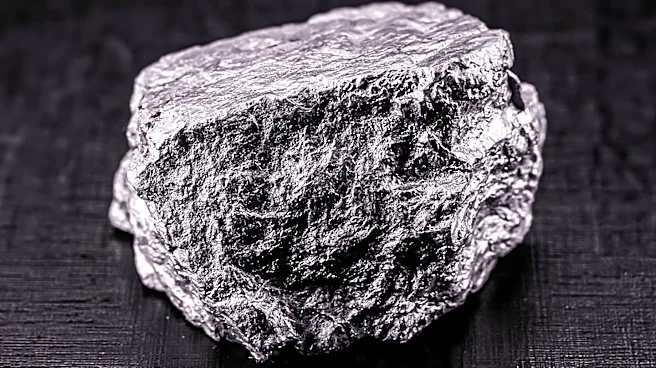
South Africa is taking significant steps to ensure the continued demand for its platinum group metals (PGMs), which are crucial for the country's economy. According to Martin Creamer, publishing editor of Engineering News & Mining Weekly, the country is focusing
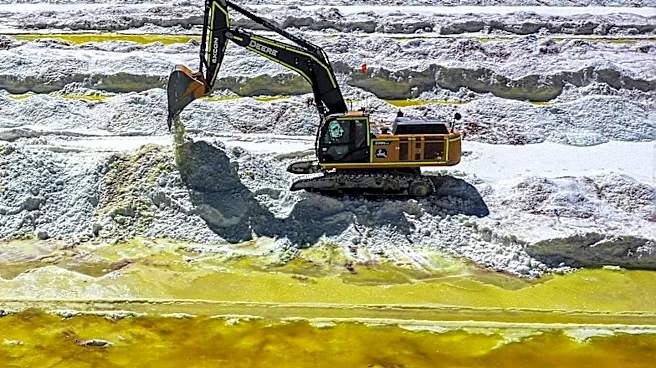
on research and collaboration with various companies and academic institutions to secure a strong future market for PGMs. This is particularly important as the global shift towards electric vehicles and green hydrogen could alter demand dynamics. A South African delegation, led by Deputy President Paul Mashatile, recently engaged in high-level discussions in China about green hydrogen and fuel cell development. This collaboration is seen as vital for boosting the demand for PGMs, as these metals are essential in the production of green hydrogen and fuel cells. Additionally, a project in KwaZulu-Natal aims to add value to titanium extracted from mineral sands, further enhancing the economic benefits of local mineral resources.
Why It's Important?
The strategic focus on PGMs and green hydrogen is crucial for South Africa's economic future. PGMs are a significant source of revenue, and their demand is linked to the global transition to cleaner energy sources. By investing in green hydrogen technology, South Africa could secure a leading position in this emerging market, potentially increasing the demand for its PGMs. This would not only stabilize the mining sector but also create new economic opportunities. The collaboration with China could lead to technological advancements and cost reductions in green hydrogen production, similar to the impact China had on solar panel costs. Furthermore, the initiative to process titanium locally in KwaZulu-Natal represents a shift towards adding value to raw materials within Africa, which could enhance local economies and reduce dependency on raw exports.
What's Next?
South Africa's continued engagement with international partners, particularly China, will be crucial in shaping the future demand for PGMs. The success of the green hydrogen initiative could lead to increased investments and technological advancements in the sector. The construction of the titanium processing plant in KwaZulu-Natal is expected to be completed by 2029, with pre-sold contracts already in place, indicating strong market demand. These developments could lead to a more diversified and resilient South African economy, with potential benefits extending to other African nations through increased regional collaboration and economic integration.
Beyond the Headlines
The focus on green hydrogen and local mineral processing highlights a broader trend towards sustainable and value-added resource management in Africa. This approach not only aims to boost economic growth but also addresses environmental concerns by promoting cleaner energy solutions. The potential reduction in oil dependency through green hydrogen could have significant geopolitical implications, reducing the influence of oil-exporting nations and shifting global energy dynamics. Additionally, the emphasis on local processing and value addition could lead to increased industrialization and job creation within Africa, contributing to long-term economic stability and development.