



What's Happening?
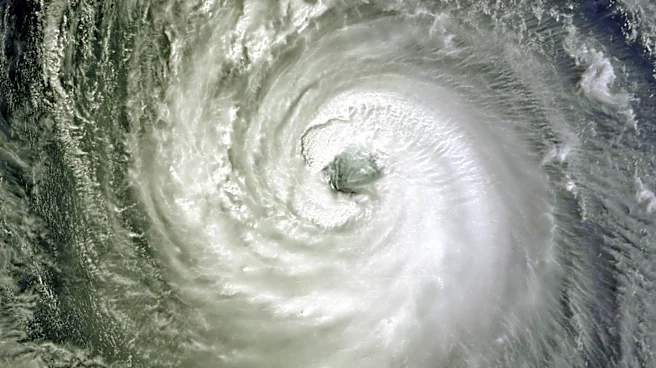
Greenpeace International is advocating for urgent government action to address rising ocean temperatures, which are intrinsically linked to extreme weather events. According to Greenpeace, increased heat in the upper ocean surface intensifies tropical
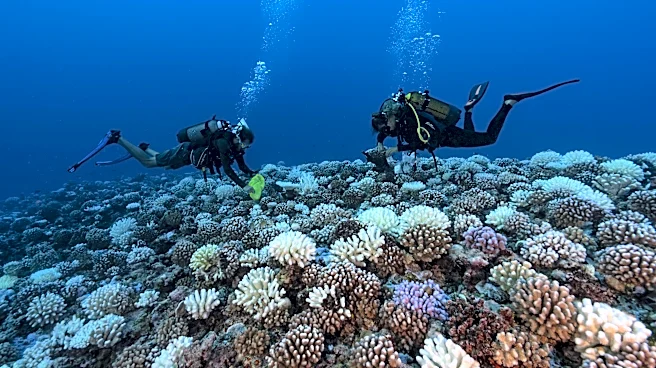
storms, hurricanes, and typhoons. The daily global average ocean surface temperature reached a record high of 21.1°C in August, the hottest in 150 years of record-keeping and likely well before human civilization. This phenomenon, exacerbated by the fossil fuel-driven climate crisis and El Niño, is causing more frequent and damaging extreme weather events, such as Typhoon Dolphin in China, and leading to mass mortality of marine life, including widespread coral bleaching. Greenpeace emphasizes that over 90% of the heat associated with global heating has been absorbed by the oceans, weakening their ability to absorb greenhouse gases and creating a destructive feedback loop.
Why It's Important?
The rising ocean temperatures highlighted by Greenpeace have severe implications for coastal communities, marine ecosystems, and global climate stability. The intensification of extreme weather events poses significant threats to human lives, infrastructure, and economic stability in coastal regions. The destruction of marine life, particularly coral reefs, disrupts biodiversity and impacts the livelihoods of communities dependent on fishing. Furthermore, the ocean's diminished capacity to absorb carbon dioxide creates a dangerous feedback loop, accelerating global heating. This situation underscores the urgent need for a rapid and equitable transition away from fossil fuels, as the current trajectory threatens to destabilize natural systems and exacerbate social inequalities. The call for polluters to pay for the damage they cause also raises critical questions about corporate accountability and climate justice.
What's Next?
Greenpeace is urging governments to activate the Global Oceans Treaty, which came into force this year, to create fully and highly protected ocean sanctuaries. These sanctuaries are intended to help marine ecosystems recover and build resilience against climate change. Additionally, Greenpeace demands action against fossil fuel companies and the meat and dairy industry, which they identify as major drivers of global temperatures. They advocate for a fast, fair, and funded transition away from fossil fuels and for polluters to be held financially accountable for climate destruction. The organization is promoting a 'Polluters Pay Pact' to ensure that corporations contributing to global heating bear the costs of climate impacts, rather than leaving the burden on affected communities and taxpayers. Future international climate discussions and national policies will likely face increasing pressure to address these demands and implement more stringent regulations on industries contributing to ocean warming.
Beyond the Headlines
The Greenpeace report delves into the ethical and economic dimensions of climate change, particularly the concept of 'polluter pays.' It highlights the historical disparity where fossil fuel industries have profited immensely while externalizing the costs of environmental damage onto society. This raises fundamental questions about corporate responsibility, legal frameworks for climate liability, and the potential for international mechanisms to enforce such payments. The report also implicitly critiques the current global economic system, which often prioritizes short-term profits over long-term environmental sustainability. The emphasis on protecting 'blue carbon' stores like mangroves and seagrass meadows points to the critical role of natural solutions in climate mitigation and adaptation, suggesting a shift towards valuing and investing in ecosystem services as a core climate strategy. The call for a 'fast, fair, funded transition' also implies a need for significant international financial transfers to support developing nations in their decarbonization efforts.