



What's Happening?
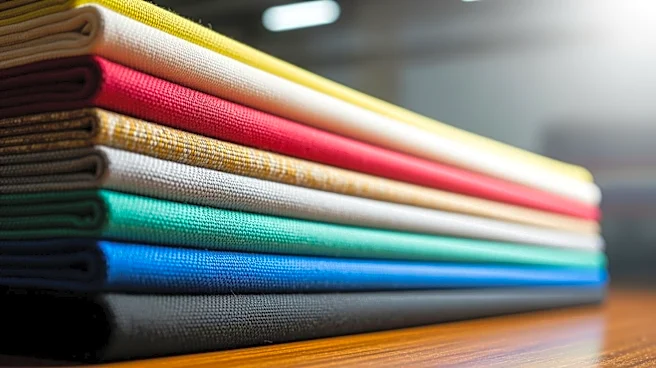
Brazil has experienced a significant increase in its apparel imports, rising by 19% as the country becomes more reliant on China for its clothing needs. The import demand is heavily skewed towards man-made fiber apparel, which constitutes a substantial
portion of the total imports. Knit apparel remains the dominant category, reflecting a strong demand for casualwear, athleisure, and everyday fashion. Trousers and shorts are the largest segments within the import basket, followed by coats and shirts. This trend highlights Brazil's growing dependence on Chinese apparel, as the country continues to import a wide range of clothing items to meet domestic demand.
Why It's Important?
The increase in Brazil's apparel imports from China underscores a broader trend of globalization in the fashion industry, where countries are increasingly relying on international trade to meet consumer demands. This reliance on Chinese imports could have significant implications for Brazil's domestic textile industry, potentially affecting local manufacturers and workers. Additionally, the shift towards man-made fibers and casualwear reflects changing consumer preferences, which could influence fashion trends and production strategies globally. The economic relationship between Brazil and China in the apparel sector may also impact trade policies and negotiations between the two countries.
What's Next?
As Brazil continues to import a significant portion of its apparel from China, there may be discussions around diversifying its supply chain to reduce dependency on a single country. This could involve exploring trade agreements with other nations or investing in domestic production capabilities. Additionally, the Brazilian government and industry stakeholders might consider strategies to support local manufacturers and promote sustainable practices within the textile sector. The evolving consumer preferences towards casual and athleisure wear could also drive innovation and adaptation within the industry.
Beyond the Headlines
The growing reliance on Chinese apparel imports raises questions about the sustainability and ethical implications of fast fashion. As consumers become more aware of the environmental and social impacts of their purchasing decisions, there may be increased pressure on brands and retailers to adopt more sustainable practices. This could lead to a shift towards more eco-friendly materials and production methods, as well as greater transparency in supply chains. Furthermore, the economic dynamics between Brazil and China in the apparel sector could influence geopolitical relations and trade policies in the region.