





What's Happening?
Amtrak has successfully finished its "Pause for Progress" infrastructure upgrades in the First Street Tunnel, located just south of Washington Union Station in Washington, D.C. The intensive nine-day construction effort concluded on schedule, allowing
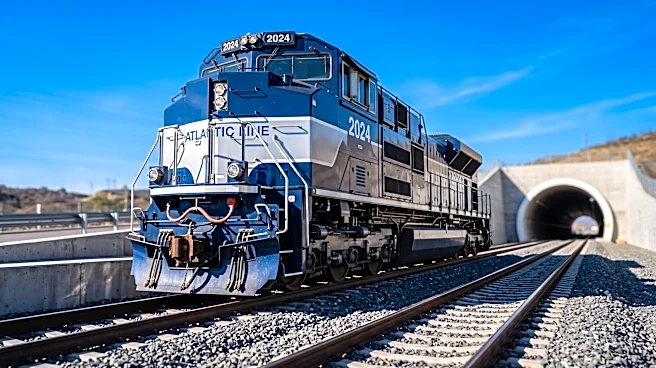
train operations to resume ahead of the busy holiday travel season. This project involved replacing aging infrastructure at A-Interlocking, a vital track and control point for Amtrak and Virginia Railway Express (VRE) trains traveling between Washington and Virginia. The work included replacing seven key track components, such as electric switch machines, double-slip switches, and a crossing diamond. Additionally, crews rehabilitated 350 feet of track and tunnel base, installed 550 tons of ballast, replaced 1,000 feet of rail and 215 ties, and laid 2,500 feet of signal/electrical cable. The project required temporary service changes for trains south of Washington from October 16-26, during which Amtrak collaborated closely with VRE, Virginia Passenger Rail Authority (VPRA), and the North Carolina Department of Transportation (NCDOT) to coordinate services and minimize disruption.
Why It's Important?
These infrastructure upgrades are crucial for enhancing the reliability, security, and safety of passenger rail service in the Northeast Corridor, particularly for routes connecting Washington, D.C., and Virginia. The A-Interlocking is a critical junction, and its modernization directly impacts the efficiency of both Amtrak and VRE services. By replacing outdated components and rehabilitating the track, Amtrak aims to reduce delays and improve the overall travel experience for thousands of commuters and travelers. This investment in rail infrastructure supports the growing demand for train travel as an alternative to air and car travel, especially in densely populated regions. The successful completion of this project also demonstrates effective coordination between Amtrak and various state and regional transportation authorities, setting a precedent for future collaborative infrastructure initiatives aimed at strengthening the U.S. rail network. Improved reliability can encourage more people to choose rail, potentially easing road congestion and reducing carbon emissions.
What's Next?
With the infrastructure upgrades completed, Amtrak has fully restored service, enabling customers to plan for the upcoming holiday travel season. Amtrak Virginia is offering various discounts, including Virginia Anytime Fares, Share Fares for groups, and student discounts, to encourage travel. The Virginia Passenger Rail Authority (VPRA) is also extending some of the Amtrak Connection Express Bus service, initially launched to support the "Pause for Progress" period, to provide travelers with additional options during the holidays. The successful execution of this project may serve as a model for future infrastructure improvements across the national rail network. Stakeholders like VRE, VPRA, and NCDOT have expressed appreciation for the collaborative effort, indicating a continued commitment to developing a safer and more reliable rail system. Travelers can expect more consistent and efficient service on the affected routes, particularly as the new infrastructure is integrated into daily operations.
Beyond the Headlines
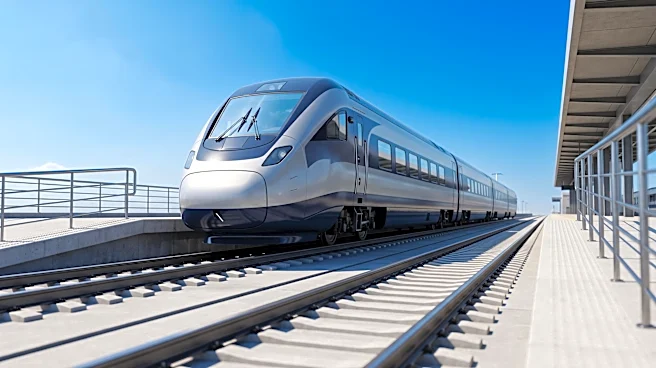
The completion of the "Pause for Progress" project highlights a broader national effort to modernize and expand the U.S. rail infrastructure. While the U.S. has historically lagged behind other developed nations in high-speed rail, investments like these are foundational steps toward a more robust and efficient passenger rail system. The project underscores the complex interplay between national rail operators like Amtrak and regional commuter services, emphasizing the need for seamless coordination to maintain and improve shared infrastructure. Furthermore, the focus on upgrading critical points like A-Interlocking reflects a strategic approach to addressing bottlenecks and enhancing overall network resilience. This move aligns with growing public and governmental interest in sustainable transportation solutions and could pave the way for more significant federal investments in rail, potentially leading to the development of true high-speed rail corridors and a more interconnected national train network in the long term.