






What's Happening?
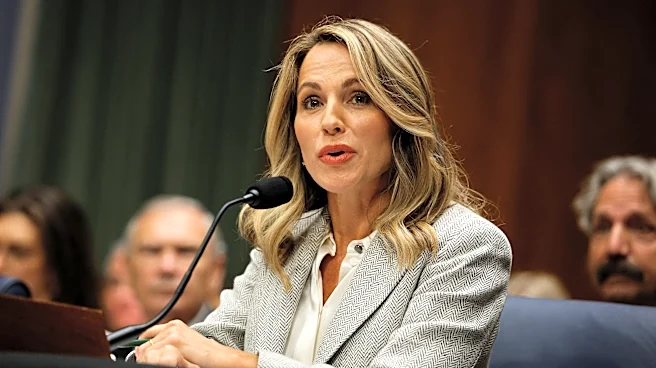
Doctors in Minnesota are urging parents to ensure their children are up-to-date on childhood vaccinations, as the state is experiencing a decline in vaccination rates. Dr. Emily Chapman, President/CEO of Children's Minnesota, noted that kindergarteners
in the state have some of the lowest rates nationally for measles and whooping cough vaccines. Children's Minnesota has observed a 3-5% reduction in childhood vaccinations over the past few years, representing a significant number of unprotected children at risk for serious diseases. This decline has led to a rise in hospitalizations for otherwise preventable illnesses, particularly in areas with lower vaccination coverage. The Centers for Disease Control and Prevention (CDC) reported that Minnesota has one of the nation's lowest MMR vaccination rates among kindergarteners, with non-medical exemption rates rising to nearly 7%. Dr. Gigi Chawla, Chief of General Pediatrics at Children's Minnesota, attributes this trend to an 'avalanche of misinformation and mistrust' surrounding vaccines, alongside a changing landscape of recommendations and a balance between personal autonomy and community responsibility.
Why It's Important?
The decline in childhood vaccination rates in Minnesota is a critical public health concern, as it directly threatens the state's ability to maintain herd immunity against highly contagious diseases like measles and whooping cough. When vaccination coverage falls below certain thresholds, communities become vulnerable to outbreaks, leading to increased illness, hospitalizations, and potential fatalities, especially among infants and immunocompromised individuals who cannot be vaccinated. This situation also places a significant burden on the healthcare system, diverting resources that could be used for other medical needs. The rise in non-medical exemptions and the influence of misinformation highlight a broader societal challenge in public health education and trust in scientific consensus. Addressing this trend is essential not only for protecting the health of Minnesota's children but also for safeguarding the overall public health infrastructure and preventing the resurgence of diseases that were once largely eradicated.
What's Next?
In response to the declining vaccination rates, medical professionals and public health organizations in Minnesota are expected to intensify their efforts to educate parents and address vaccine hesitancy. This will likely involve targeted outreach campaigns, increased communication from pediatricians, and initiatives to counter misinformation. There may also be discussions at the state level regarding policies related to vaccine exemptions, potentially leading to stricter regulations to ensure higher vaccination coverage in schools. Healthcare providers will continue to monitor disease incidence and hospitalization rates closely, adapting their strategies as needed. The long-term goal will be to rebuild public trust in vaccinations and achieve the herd immunity levels necessary to protect the community from preventable diseases. The outcome will depend on the effectiveness of these educational and policy interventions in shifting public attitudes and behaviors towards vaccination.
Beyond the Headlines
The issue of declining vaccination rates in Minnesota, driven by misinformation and a complex interplay of personal beliefs and community responsibility, reflects a deeper societal challenge. It underscores the erosion of trust in expert institutions and the impact of the digital age on public health, where misinformation can spread rapidly and influence health decisions. This situation raises ethical questions about the balance between individual autonomy and the collective good, particularly when individual choices have direct public health consequences. The long-term implications could include a shift in public health strategies, emphasizing more personalized and empathetic communication approaches to address vaccine hesitancy. It may also prompt a re-evaluation of educational curricula to foster critical thinking skills and media literacy, helping individuals discern credible health information. Ultimately, the response to this challenge in Minnesota could serve as a model for other regions facing similar public health dilemmas, highlighting the need for a multi-faceted approach that combines scientific communication, community engagement, and policy adjustments.